GMI Doubles Its Hydrogen Bulker Programme to Four Ships With an Indian Order
Public grants now cover NOK449m of a four-vessel investment running above NOK1bn
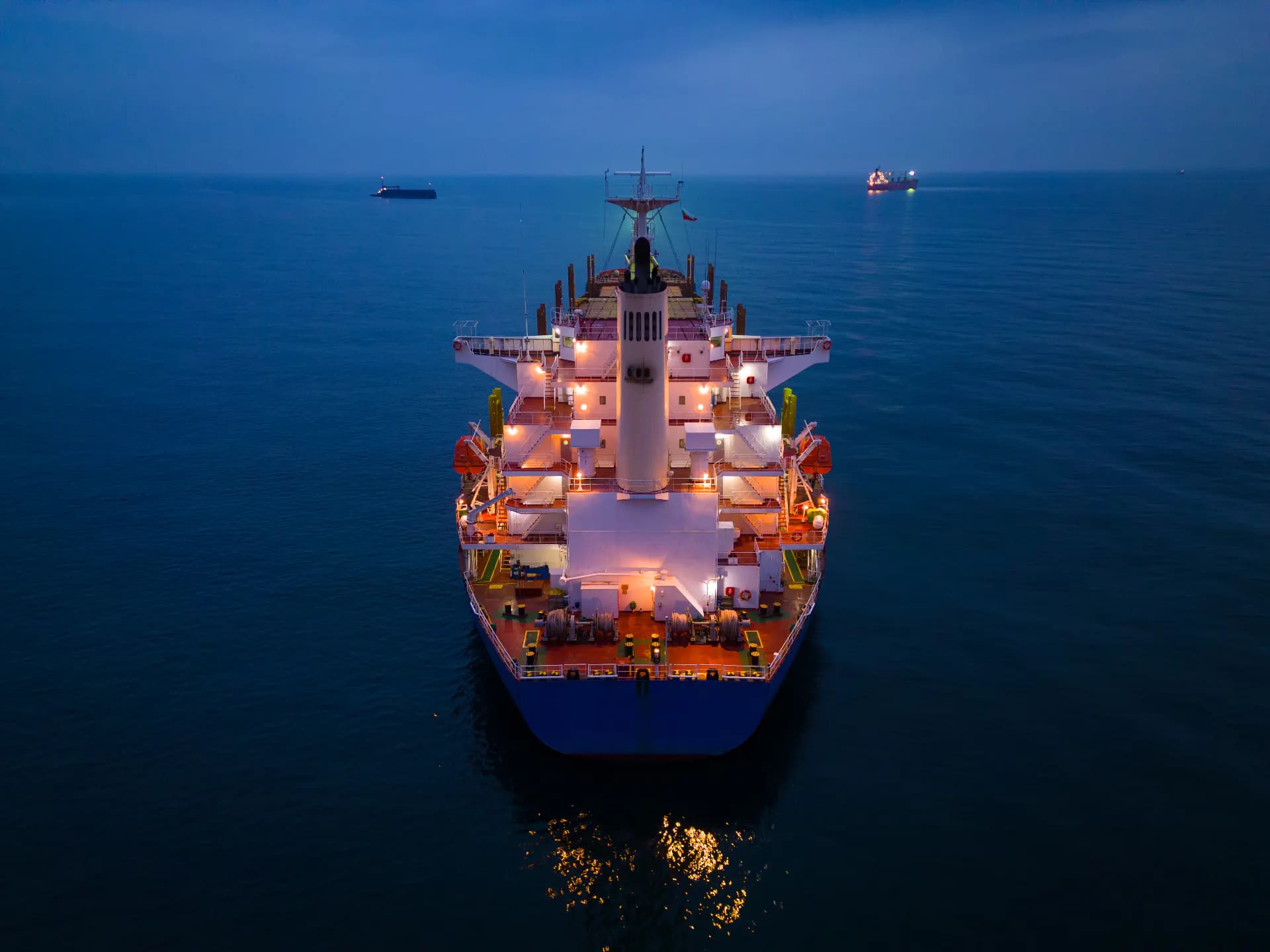
The Norwegian newcomer Green Maritime Infrastructure has doubled its hydrogen-powered bulker programme to four ships, signing for two more newbuildings at India's Chowgule Shipyard.
The latest pair will be around 3,000 dwt each and will join two larger 4,000 dwt vessels already under construction at Gelibolu Shipyard in Turkey. The first of the four is expected to enter service along the Norwegian coast next year. All four are being developed around compressed hydrogen and fuel-cell propulsion for coastal trades carrying asphalt, gravel and other construction materials, and the company has already secured cargo contracts with NordAsfalt and Veidekke.
No contract price has been disclosed for the Indian pair, although the latest vessels are estimated to cost more than NOK300m each. On that basis the four-ship hydrogen investment is running above NOK1bn.
Public funding remains a sizeable part of the equation. The Norwegian agency Enova has awarded NOK137m to each of the two Indian-built vessels, following grants of NOK90m and NOK85m for the pair already under construction in Turkey, taking its backing for the four committed ships to NOK449m. It has also earmarked NOK201m and NOK202m for another two potential vessels, on which investment decisions have yet to be taken.
The decisive change was on the cargo side rather than the capital side. GMI chairman Per Olav Myrstad said changes to Norwegian public procurement had been important in getting the latest vessels over the line, after the Norwegian Public Roads Administration introduced a bonus of NOK7.50 per kilogram of carbon dioxide avoided for suppliers able to deliver asphalt with lower transport emissions. That gives cargo owners a direct financial reason to book zero-emission tonnage, which is what a bulk carrier operator needs before it can price a hydrogen newbuilding against a conventional one.
Fuel supply is being built alongside the ships. GreenH will supply hydrogen to the vessels and is developing bunkering infrastructure along the Norwegian coast, with its first facility serving the ships expected in Bodø in 2027, followed by sites including Kristiansund and Slagentangen in the Oslofjord.
The programme began when Møre Sjø ordered the initial pair at Gelibolu. Those 4,000 dwt ships were designed by Naval Dynamics, with the German integrator eCap Marine handling the onboard hydrogen system, and the Swedish fuel-cell specialist PowerCell subsequently won a SEK40m contract to supply 14 Marine System 225 units for the two vessels. The first pair combines a high-pressure hydrogen system with batteries.