Freight For A Single Gulf Voyage Reaches Twenty-Five Million Dollars
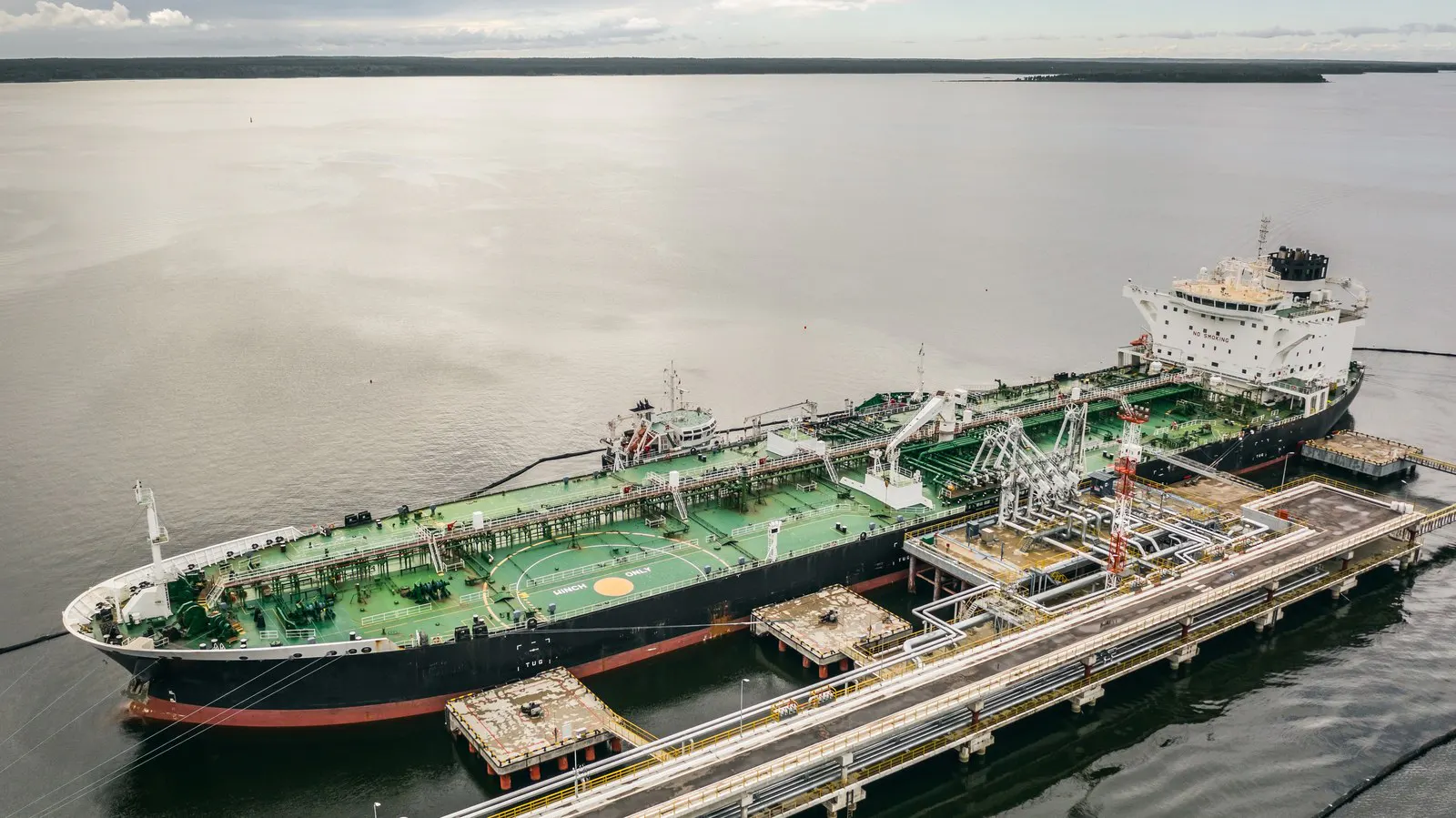
A single voyage carrying about two million barrels of crude out of the Gulf has been fixed at a freight level implying a bill of roughly twenty-three to twenty-five million dollars, against something closer to two million dollars for a comparable voyage before the current conflict. The charter, taken by a large Indian refiner on a very large crude carrier, illustrates how completely the economics of the trade have been redrawn.
A more than tenfold increase in the cost of moving a cargo does not reflect a shortage of ships in the ordinary sense. It reflects a shortage of ships whose owners are willing to send them into the Gulf, combined with insurance and crewing costs that have risen to match. When most of the fleet declines the business, the few owners who accept it can name a price, and refiners who need the crude have limited ability to refuse.
The owner on the other side of this trade has been unusually well positioned. A Korean operator has been linked to a substantial majority of recent secondhand purchases of very large crude carriers, building a spot-exposed position at a moment when almost everyone else was reducing exposure. Reported figures put its share at around a quarter of the traded spot fleet, though those numbers date from earlier in the year and should be treated as indicative rather than current.
Buying spot-exposed tonnage into a war risk is a strategy that looks reckless until it does not. The same position that generates twenty-five million dollars for one voyage would have generated losses had the conflict ended quickly and rates collapsed, and the owner would have been left holding vessels bought at elevated prices. What separates the outcome from the alternative is duration, which is not something any shipowner can forecast.
For everyone else the number is a warning rather than an opportunity. Freight at these levels feeds directly into the delivered cost of crude for refiners who depend on Gulf barrels, and it widens the advantage of buyers who can source from the Atlantic basin instead. Sustained long enough, that differential does not merely redistribute profit within shipping; it redirects trade flows, and those changes tend to outlast the conditions that caused them.