EU exempts Russian LNG transhipment, easing pressure on Total and Yamal
The European Union has reversed course on part of its sanctions regime for Russian liquefied natural gas, exempting transhipment to countries outside the bloc and allowing TotalEnergies to keep selling gas from its Siberian flagship project into Asia. The change undoes a decision taken in Brussels last October to ban such shipments from late 2026. European companies may now continue honouring transhipments to third countries provided the contracts were signed before Russia's invasion of Ukraine in February 2022 and volumes do not exceed 2025 levels.
The reasoning offered by officials is unusually blunt about the limits of enforcement. One European official said that without the exemption the ships carrying the cargo would have been requisitioned and taken over very quickly by Chinese operators, producing a ban with zero impact on Russian gas flows. On that reading the measure was never going to stop the trade, only transfer control of it, and the bloc chose to keep the tonnage within reach of its own jurisdiction rather than watch it move beyond regulation altogether.
For TotalEnergies the reprieve is material. The company holds a 20% stake in Yamal LNG and earns approximately $400m a year from sales there, alongside dividends on its stakes in Yamal and in parent company Novatek, which have been irregular in recent years. Chief executive Patrick Pouyanne had warned in February that ambiguity in the ban could force the company to halt Yamal shipments entirely. He told analysts on the second-quarter earnings call that allowing Russian LNG to be sold outside the bloc by competitors rather than by European entities had struck him as paradoxical.
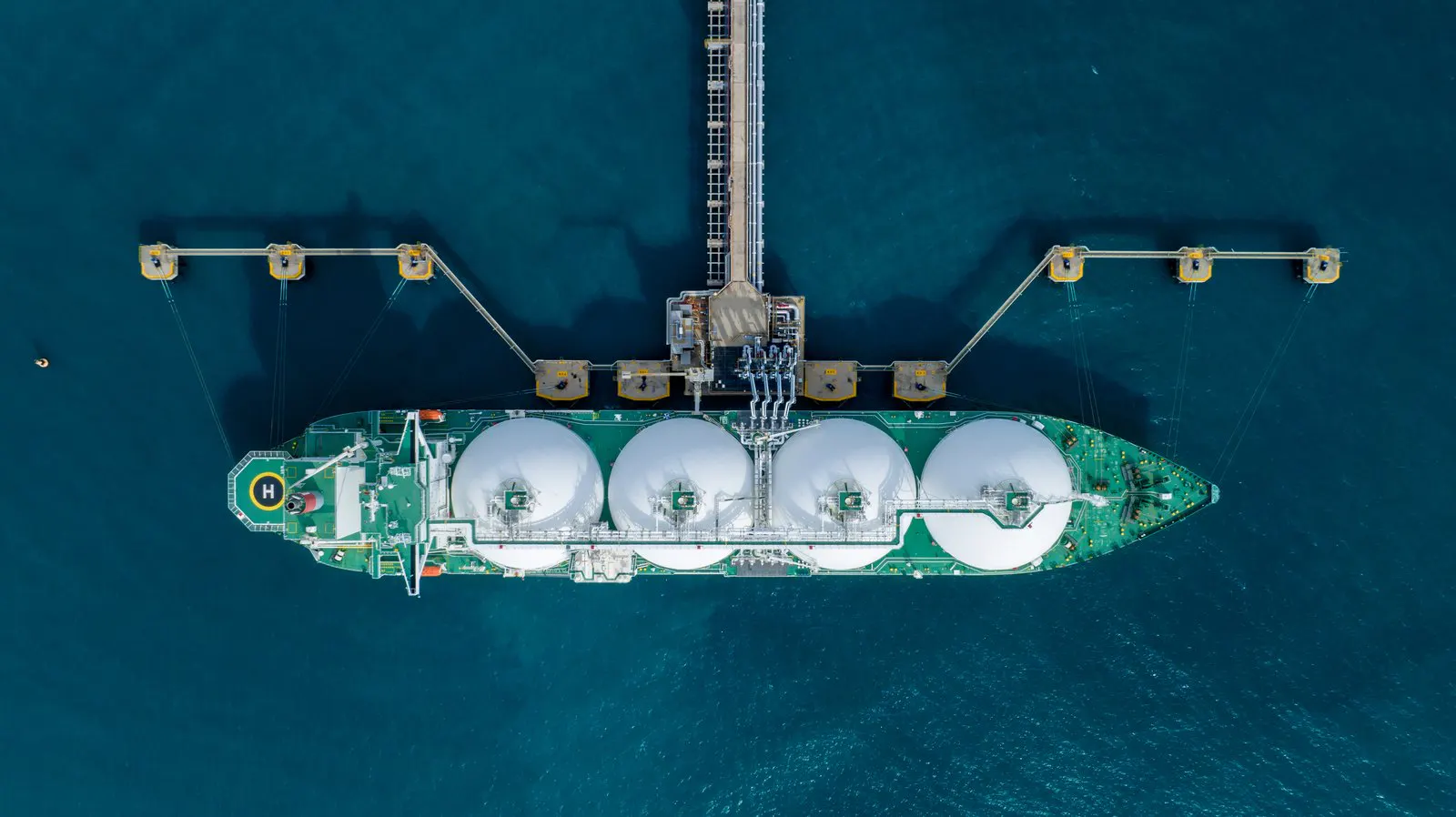
The commercial consequence falls to specialised tonnage. The exemption clears the way for Total and Novatek to use ice-class LNG carriers to move larger volumes from Yamal to China, with the fleet operated by George Procopiou's Dynagas positioned as the practical link between the Siberian project and the Asian market. Ice-class capability is the constraint that makes this a narrow field rather than an open charter market, since few owners hold vessels able to work the Northern Sea Route year-round.
Most Yamal cargoes still go west. A record 9.89m tonnes was shipped from the project to European ports in the first half of 2026, against just 510,000 tonnes to Asia, so the eastward shift the exemption enables has barely begun. Total has exited most of its other Russian joint ventures after heavy write-downs in 2022 and is transferring a 10% stake in the Arctic LNG project to a Novatek-owned entity, while stating it would leave Yamal only under a mandatory sanctions regime. Transport from the Sakhalin-2 project has separately been exempted until 31 March 2028 to protect Japanese and South Korean supply.