EU adds more than 40 shadow fleet vessels to sanctions list
The European Union has added more than 40 vessels associated with Russia's shadow fleet to its sanctions list under a twenty-first package of measures, with several of the named ships regular visitors to Arctic waters. Announcing the package on 23 July, high representative for foreign affairs and security policy Kaja Kallas said each round of sanctions squeezes the Russian economy and its capacity to prolong the war. The package also covers more than a hundred banks and crypto operators, several oil refineries and more than fifty entities in the military-industrial sector, among them producers of long-range drones.
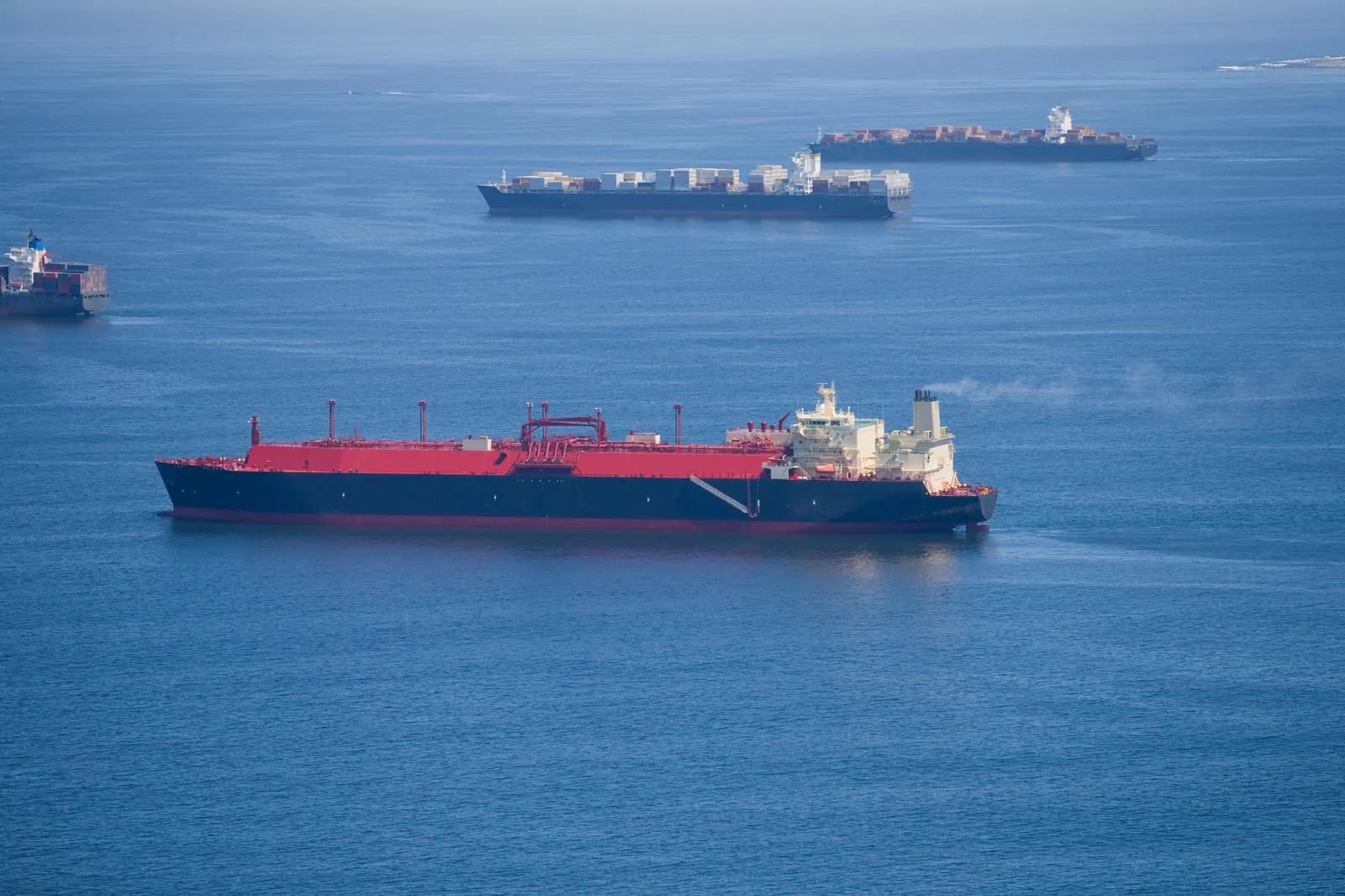
Among the newly listed ships is the Aleksei Kosygin, an LNG carrier built at the Zvezda yard in 2025 and operating for Novatek's Arctic LNG 2 project. Together with the Christophe de Margerie, the vessel shuttles between Utrenneye in the Gulf of Ob and the Saam floating storage unit in Ura Bay. At the end of July she was located in the Bering Sea, possibly bound for the Koryak storage unit in Bechevinskaya Bay on Kamchatka with a cargo from the same project. The ship is owned by Novatek.
Also listed is the LNG carrier Luch, a twenty-year-old vessel that was until recently sailing under the flag of Sierra Leone with no identified safety management company. In May she called at the Kola Peninsula, where she may have loaded at the sanctioned Saam unit. Her owners have changed her name three times this year, from Akit LNG to Lake LNG in January and to Luch in March, a rhythm of reflagging and renaming that has become characteristic of the parallel fleet and that complicates enforcement at every port of call.
The list further includes the Pioneer, a 170-metre oil tanker that frequently visits Murmansk. Public ship records indicate she belonged to a Finnish company before 2022 under the name Futura and has been owned since July 2024 by a maritime company registered in Dubai. Another addition is the Tavian, which was banned from German territorial waters early this year and subsequently sailed north along the Norwegian coast to Murmansk while using a false identification number. The tanker Andrei Pervozvanniy, involved in deliveries to the east Arctic town of Pevek, was also designated.
Kallas said Russia would only negotiate an end to the war and stop killing civilians if pressured to do so, and that sanctions add to that pressure. The Arctic concentration in this package reflects where the enforcement gap is widest: vessels operating along the Northern Sea Route spend long periods beyond routine inspection, insurance verification is limited, and cargoes move between floating storage units rather than through ports where documentation can be checked.
Ships in this story