Container Ship Fires Rise 20% as Lithium Cargo Slips Through SP188
A major boxship fire now happens roughly every 17 days, with undeclared and mis-declared goods the leading cause
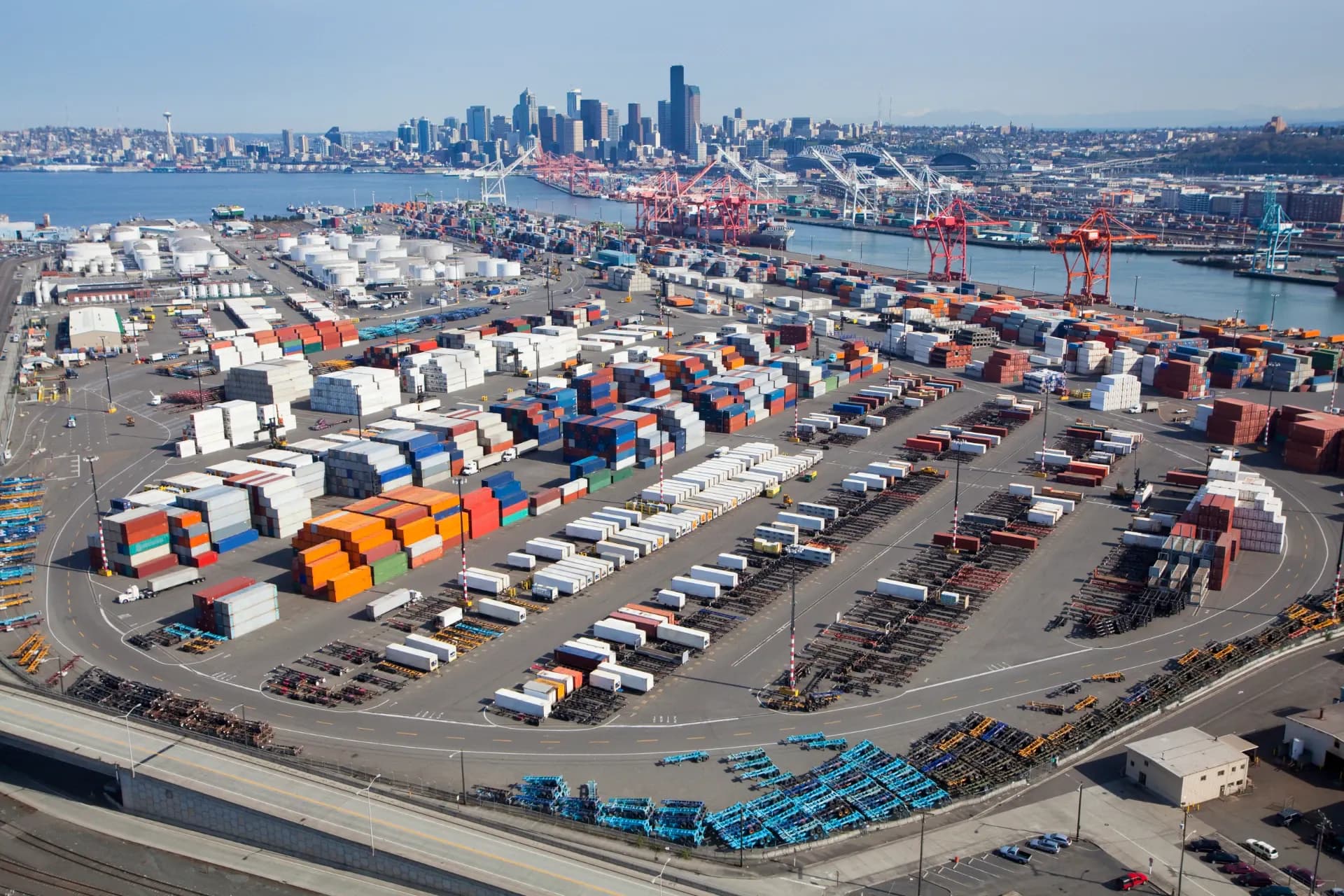
Fire incident records show a 20% year-on-year increase in fires aboard ships, with a major container ship fire now occurring roughly every 17 days worldwide, and undeclared or mis-declared goods as the leading cause.
The finding comes from Before the Fire: Dangerous goods safety and the visibility gap, a study published this week by the adaptive infrastructure firm Tigris and the maritime research house Thetius, and available in full from the publisher.
The specific regulation the work puts under the lamp is Special Provision 188, one of the rules under the international transport codes that governs how lithium cells and batteries move through the supply chain. SP188 allows certain cells and batteries to travel under reduced requirements provided they meet testing and packaging rules. The practical effect is that they do not pass through the same declaration and approval process as fully regulated dangerous goods, which makes them harder to see at every point where somebody might have looked.
Lithium cells now arrive inside products nobody reads as hazardous. Power tools, appliances, vehicles, electronics and a long tail of ordinary goods carry them, and the booking description and commodity code that accompany a box give no signal that they are aboard.
The study sets out how a correction goes missing. A container of battery-powered tools is booked with a safety data sheet. A later correction to the UN number, the four-digit code used worldwide to identify hazardous materials in transit, reaches only the carrier's dangerous goods team. If the booking record, the terminal instruction and the vessel stowage plan are not updated with it, the box travels the rest of its journey on the original, wrong information, and is stowed accordingly.
The consequences are on the record. In June 2025, an undeclared explosive substance is believed to have caused a container to detonate below deck on the Wan Hai 503, 44 nautical miles off the Kerala coast; four crew never came home. In August 2024, a dangerous goods container carrying 16 tonnes of heat-sensitive peroxide exploded at Ningbo's Beilun terminal after being booked into an unpowered refrigerated container during a summer heatwave, causing an estimated $13 million in direct losses.
Tom Bebbington, maritime expert witness at Tigris, put the conclusion in operational rather than legislative terms. "It's time carriers don't wait on regulation to change," he said. "They need to act now to change how they ship safely, particularly when everyday items can so easily become dangerous goods."
The commercial reading is that the exposure now sits with the carrier and the terminal rather than with the shipper who filled in the form. A box that is stowed on the wrong information is stowed by the ship, and the fire that follows is the ship's.
This story is part of the Maritime Briefing of 10 September 2026.
Ships in this story