Cochin Shipyard Cuts Steel on Four Battery-Electric Tugs for Svitzer
The TRAnsverse 2600e design has 3,000 commercial towage jobs behind it and 18 vessels under construction
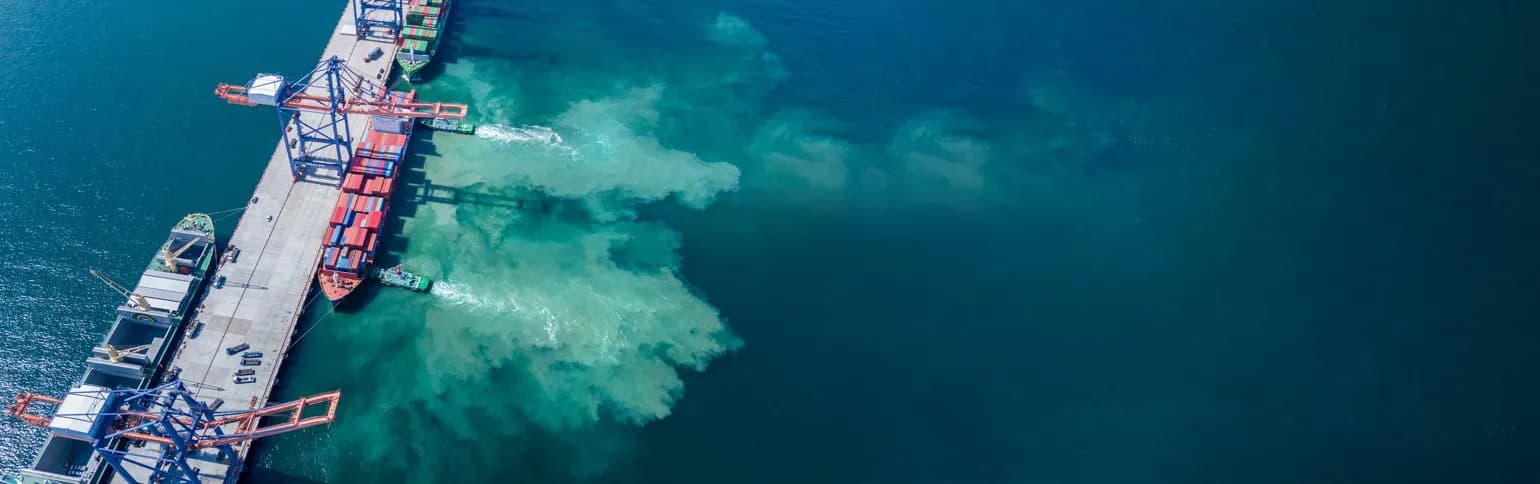
Cochin Shipyard and Svitzer have begun construction of four battery-electric tugs at a steel-cutting ceremony held in Kerala on 2 September, under a shipbuilding agreement signed in December 2025 covering a minimum of four vessels.
The TRAnsverse 2600e is the battery-electric version of Svitzer's next-generation tug design, developed for demanding harbour operations. The TRAnsverse type is capable of operating in complex and close-quarter environments, across different ship types and sizes and under challenging weather and tidal conditions. When charged from green power sources, the vessels enable zero direct emissions for port and terminal towage.
The commercial argument put by Svitzer is about berth productivity rather than fuel. The TRAnsverse is designed to remove constraints in our customers' operations, said chief operating officer Kasper Karlsen. It delivers faster and more predictable vessel movements, which protects berth productivity and turnaround times, and allows a port to get more from the berths, channels and pilots it already has without a proportional increase in fleet size or new infrastructure. He described the design as proven technology, with over 3,000 commercial towage jobs completed by the class and 18 TRAnsverse vessels under construction worldwide.
The choice of builder was contested. We evaluated shipyards across the world before selecting Cochin Shipyard, said Deniz Kirdar True, managing director for Asia, Middle East and Africa, noting that four fully electric tugs now begin construction in Cochin and that the capability to build them stays in India.
For the yard, the contract is a step into a segment it has not previously served at this specification. It is a proud moment to partner with Svitzer for the construction of four fully electric TRAnsverse 2600e harbour tugs, said Jose V. J., chairman and managing director of Cochin Shipyard, adding that the yard will play a role in advancing the sector's decarbonisation goals.
The order aligns with national policy. It supports India's Green Tug Transition Programme and sits under the Maritime India Vision 2030 and Maritime Amrit Kaal Vision 2047 frameworks, alongside the Make in India programme. Following measures announced under the Union Budget 2025 to 2026, the government reviewed the sector and adopted a four-pillar strategy for revitalising domestic shipbuilding, and has approved a package of ₹69,725 crore to strengthen shipbuilding capacity, maritime financing and skilling.
A battery-electric tug is a more tractable proposition than a battery-electric deepsea ship, because the duty cycle is short, the vessel returns to the same berth between jobs and the charging infrastructure sits inside a single port's control. That is why harbour towage has become the segment where full electrification arrives first, and why the yards that learn to build these hulls acquire capability that transfers to larger electric and hybrid work.