Divers Recover 350kg of Cocaine From a Bulk Carrier's Sea Chest at Mersin
Nine detained after the Liberian-flagged CSPC Pisces arrived from Brazil by way of Tarragona
Turkish authorities have recovered roughly 350kg of cocaine from a sea chest aboard a bulk carrier at the port of Mersin. Acting on intelligence about narcotics shipments from South America, the Mersin chief public prosecutor's office and police deployed divers to inspect vessels arriving from the region.
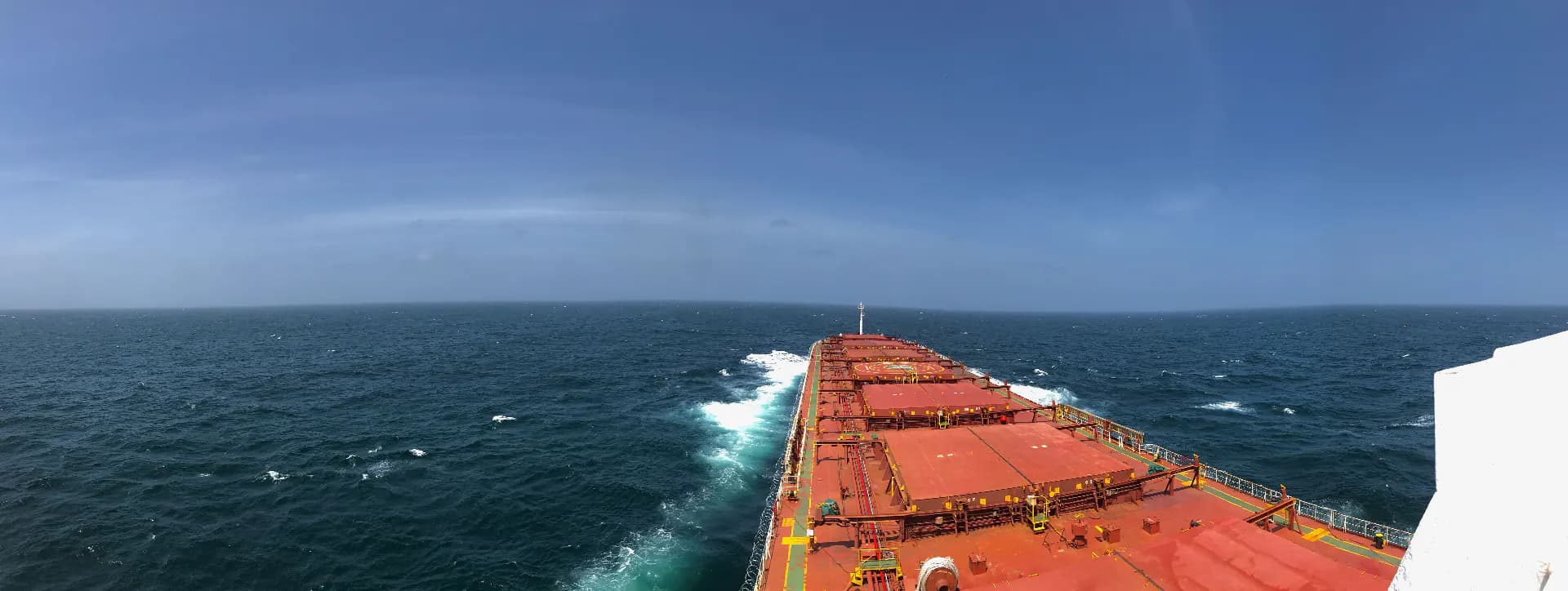
The ship was the Chinese-owned, Liberian-registered CSPC Pisces, of 84,500 dwt. She had departed Brazil and called at Tarragona in Spain before reaching Turkey on 11 September. Divers brought up 12 large packages from the sea chest. Alongside the cocaine, which the authorities valued at around $31m, they confiscated diving equipment and an underwater sea scooter. Nine people have been detained in connection with the investigation. Turkey's justice minister announced the discovery.
The method matters more than the tonnage. A sea chest is a recessed intake in the hull that feeds seawater to cooling and ballast systems, below the waterline and out of sight from the deck. Packages waterproofed and secured inside one travel with the ship without appearing in any cargo document, and are retrieved by divers at the destination, bypassing every checkpoint that applies to cargo. The maritime intelligence firm Windward has identified 20 confirmed cases since 2017 of smugglers using sea chests for concealment, and notes that crews are frequently unwitting.
That last point carries consequences for owners and managers regardless of how the case ends. A vessel can be detained, and a crew investigated, over a consignment nobody aboard knew about, and the exposure sits with whoever holds the ship rather than with whoever loaded the hull.
Mersin has seen this before. The port accounted for 4.1 tonnes of cocaine seizures between 2018 and 2024, and Turkish police seized more than three tonnes nationwide in 2024, a 23% increase on 2023. The route is consistent: South American loading, a Mediterranean intermediate call, then a Turkish discharge port.
The exposure has been growing for a separate reason. Extended periods at anchor give divers time to work on a stationary hull, and a large volume of tonnage has been sitting idle in regional anchorages through this year's disruption. Hull inspections before a ship returns to service, already advisable on fouling grounds, serve a second purpose when an underwater cavity may have picked up more than barnacles.
This story is part of the Maritime Briefing of 16 September 2026.
Ships in this story