Chinese yards take 82% of new orders as crude routes lengthen
New contracting reached 121.06m dwt in the first half, 2.7 times the same period a year earlier
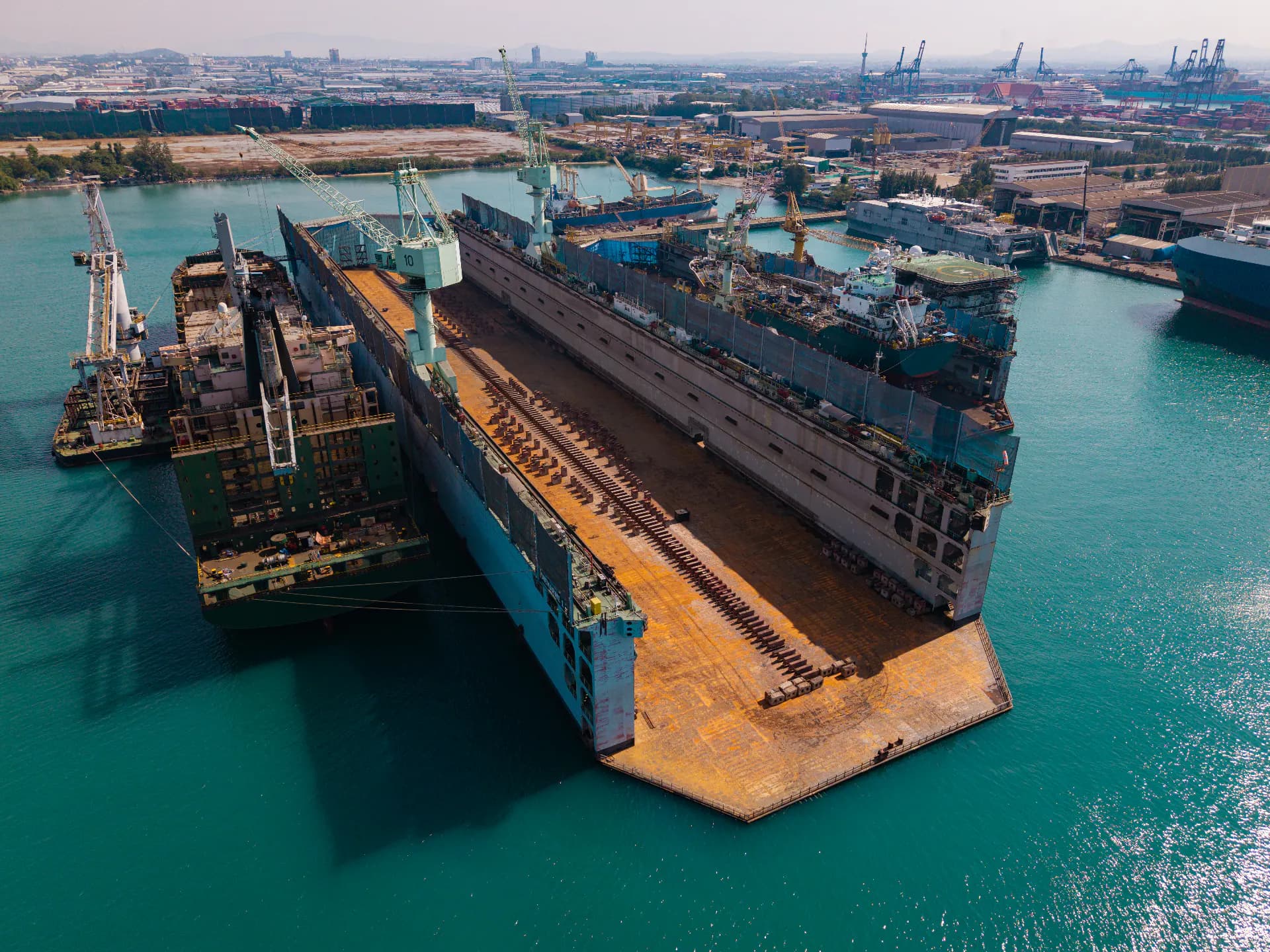
Chinese shipbuilders booked 121.06m dwt of new orders in the first half of 2026, an increase of 173.1% on the same period last year and 82.3% of the world total, in figures published by the China Association of the National Shipbuilding Industry.
The market share is the harder number. A 14 percentage point rise in a single year means the rest of the world's yards between them took less than a fifth of the contracting done in the first six months. Completions over the same period came to 36.5m dwt, 62.2% of the world total, and the order book held at the end of June stood at 363.25m dwt, or 71.2%.
The demand behind it is a routing story. After the war between the United States and Iran closed the Strait of Hormuz to normal traffic, owners who had built their trade around Middle East Gulf loadings went looking for crude in the Atlantic basin and the Americas. A cargo lifted in West Africa or the US Gulf for Asia occupies a ship for far longer than the same barrels out of the Gulf, and the tonne-mile arithmetic of that switch is what turns into orders for large tankers.
China State Shipbuilding Corp. (CSSC), the largest shipbuilder in the world by output, took 22.45m dwt of new orders in the first half, more than double its figure for the same period of 2025. Among the private yards the swing was sharper still: Hengli Heavy Industry secured 207 vessels in the half, against 115 for the whole of last year.
Those two numbers describe different things. CSSC's deadweight total is weighted by the large crude carriers and bulkers that fill a state group's building docks; Hengli's vessel count includes the smaller and mid-sized tonnage a private yard can turn over quickly. Both are running well ahead of the pace they were set up for.
The constraint now sits on the delivery side rather than the order side. Slots at the larger Chinese yards are quoted into 2030, and an owner contracting today is buying a ship for a trade pattern four years out, not for the one that generated the enquiry. Yards outside China that hoped a tanker cycle would return work to them have instead watched the cycle arrive and pass them.
This story is part of the Maritime Briefing of 24 September 2026.