Chinese yard unveils radical concept for a floating nuclear port
A terminal, power station and fuel factory moored far out at sea raises hard regulatory questions
A Chinese shipbuilder has put forward an unusual concept for a floating, nuclear-powered logistics hub that would act at once as a container terminal, a power station and a green-fuel factory anchored far out at sea. Presented at a major industry exhibition in Athens, the idea reads like science fiction, yet it serves as a marker of how seriously parts of the industry are weighing radical routes to decarbonisation, and of how far the rulebook trails the engineering imagination.
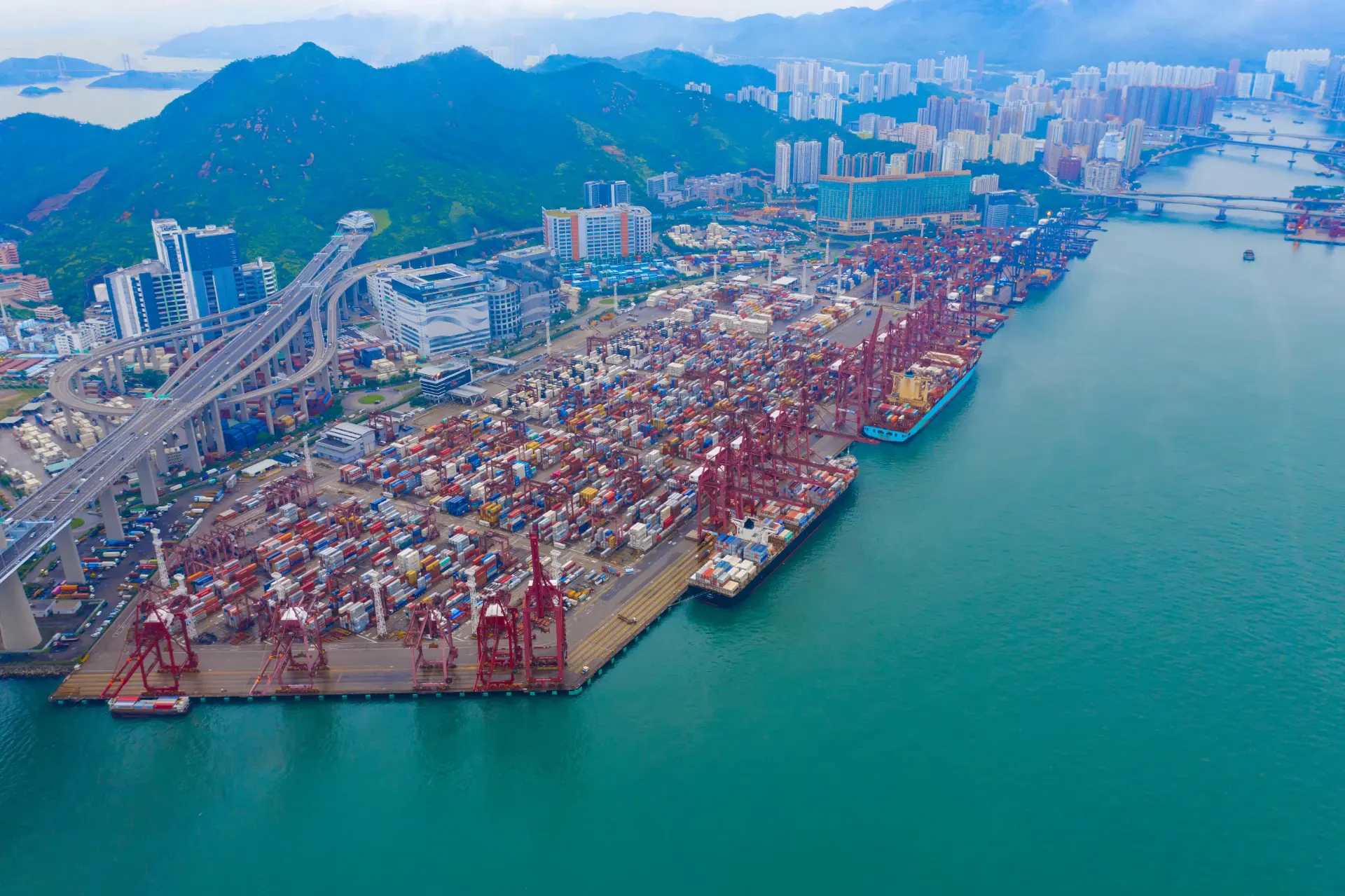
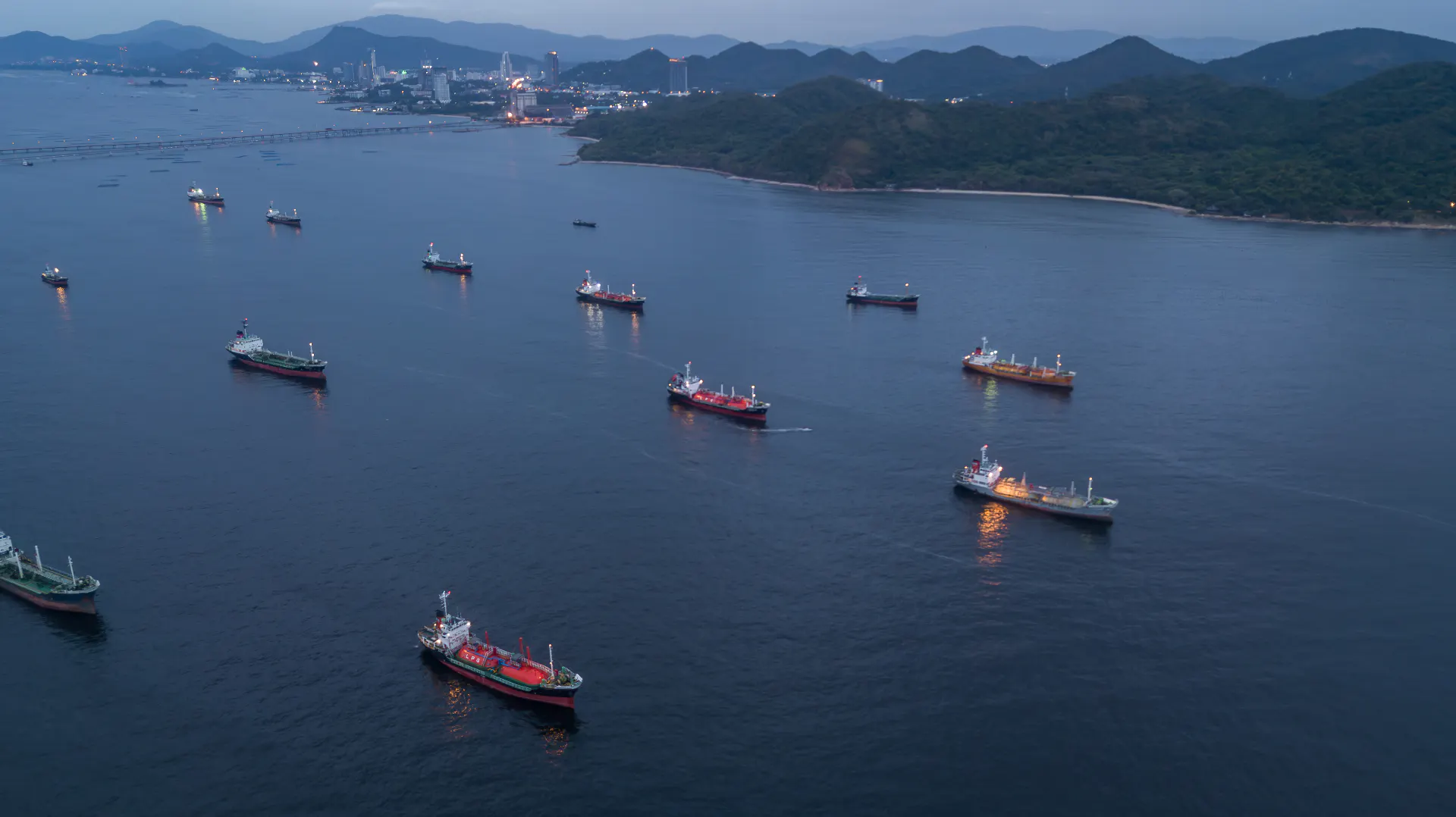
For more than a century, ports have been tied to fixed stretches of coastline, bound to cities, local labour and national regulation. The concept breaks that link, imagining a modular hub moored wherever deep water and shipping demand meet. In the operational picture it sketches, a large container ship no longer squeezes into a coastal terminal but discharges at a platform far offshore, with smaller feeder ships shuttling boxes to and from the mainland while power and zero-carbon fuel are produced on site.
The engineering challenge is threefold. The platform must survive heavy weather in deep water, its molten-salt reactor must safely deliver electricity and heat to run the terminal and synthesise fuels, and a digital operating system must manage the whole facility in real time while keeping intruders out. Concentrating energy, cargo and risk on a single offshore asset also rewrites the industry's risk profile, since a serious failure from storm, cyberattack or conflict could ripple through regional supply chains.
The biggest obstacles, though, are legal rather than technical. A structure that is simultaneously a nuclear site, a chemical plant and a container terminal sits awkwardly between existing frameworks, raising unresolved questions over which state would license a reactor operating outside national waters, how customs and labour rules would apply, and who would bear liability in the event of an accident. The concept works as both a warning and an invitation: ports may not stay pinned to the coast forever, and the open question is whether the industry builds a shared framework or leaves state-backed pioneers to set the rules.