China Took 57.8% of Global LNG Carrier Orders in the First Half of 2026
Chinese yards booked 52 of 90 orders against 37 for South Korea, a year after the two were separated by two ships
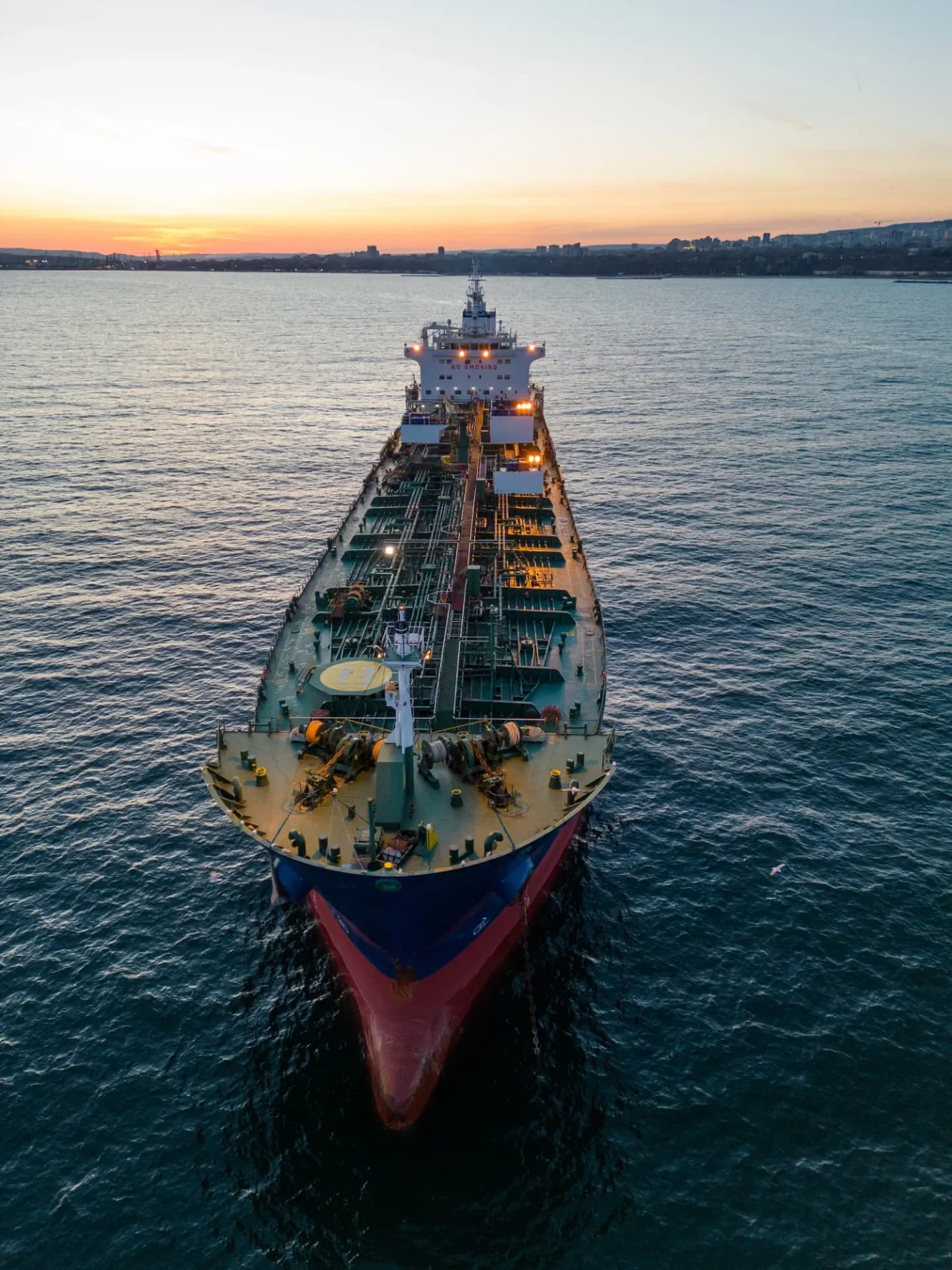
Chinese shipbuilders took 57.8 percent of the world's new liquefied natural gas carrier orders in the first half of 2026, widening a lead that was narrow a year ago and prompting warnings inside the South Korean industry that its last stronghold in high-value tonnage is under pressure.
Figures from the market analysis firm Besson Nautical show that 90 new LNG carrier orders were placed globally in the first half. Chinese yards secured 52 of them and South Korean yards 37, market shares of 57.8 percent and 41.1 percent. In the same period of 2025 the split was 15 orders to 13, the point at which South Korea lost the top position in the segment for the first time. The statistics cover the full range of sizes, from large ocean-going carriers down to small vessels designed for inland waterways.
LNG carriers transport cargo at minus 163 degrees Celsius and demand exceptionally high standards in cargo containment, thermal insulation and stability on long voyages, which is why they have been treated as the benchmark of a shipbuilding nation's technical capability. Japanese yards held most of the market from the mid-1980s to the early 2000s with Moss-type containment, then withdrew after delivering their final orders in 2019, with plans to resume construction in 2026 after a seven-year gap.
South Korea took over that position in the mid-2000s and still holds the installed base: more than 70 percent of the carriers in service worldwide were built by HD Hyundai Heavy Industries, Hanwha Ocean and Samsung Heavy Industries. Chinese yards entered the high-end segment later. Hudong-Zhonghua delivered the first large Chinese-built LNG carrier, the Dapeng Sun, in April 2008 and has since delivered close to 70 of them. Five Chinese builders are now constructing large carriers, alongside Jiangnan, Dalian Shipbuilding Industry Corporation, China Merchants Heavy Industries at Haimen and Yangzijiang. Hengli Heavy Industries signed a patent cooperation agreement with GTT on membrane containment in early 2025, positioning it to become the sixth.
The constraint on the Korean side is physical rather than technical. Major Korean yards have filled their delivery schedules through 2029 and in places into 2030, and are limited by available land and by an order backlog that leaves no room for additional LNG work. Large-scale expansion carries the risk of high fixed costs through the next downturn, so the response has been to route tankers and standard commercial vessels to yards in Vietnam and the Philippines while keeping high-value tonnage, floating data centres and autonomous ship work at home. Hudong-Zhonghua, by contrast, has launched a consolidation project adding specialised assembly lines and a coordinated dual-site production model aimed at mass production of large carriers and ultra-large container ships.