China opens first zero-carbon sea-river electric container route
A 742 teu battery-powered boxship links the Yangtze Delta to Ningbo-Zhoushan in a new zero-carbon logistics chain
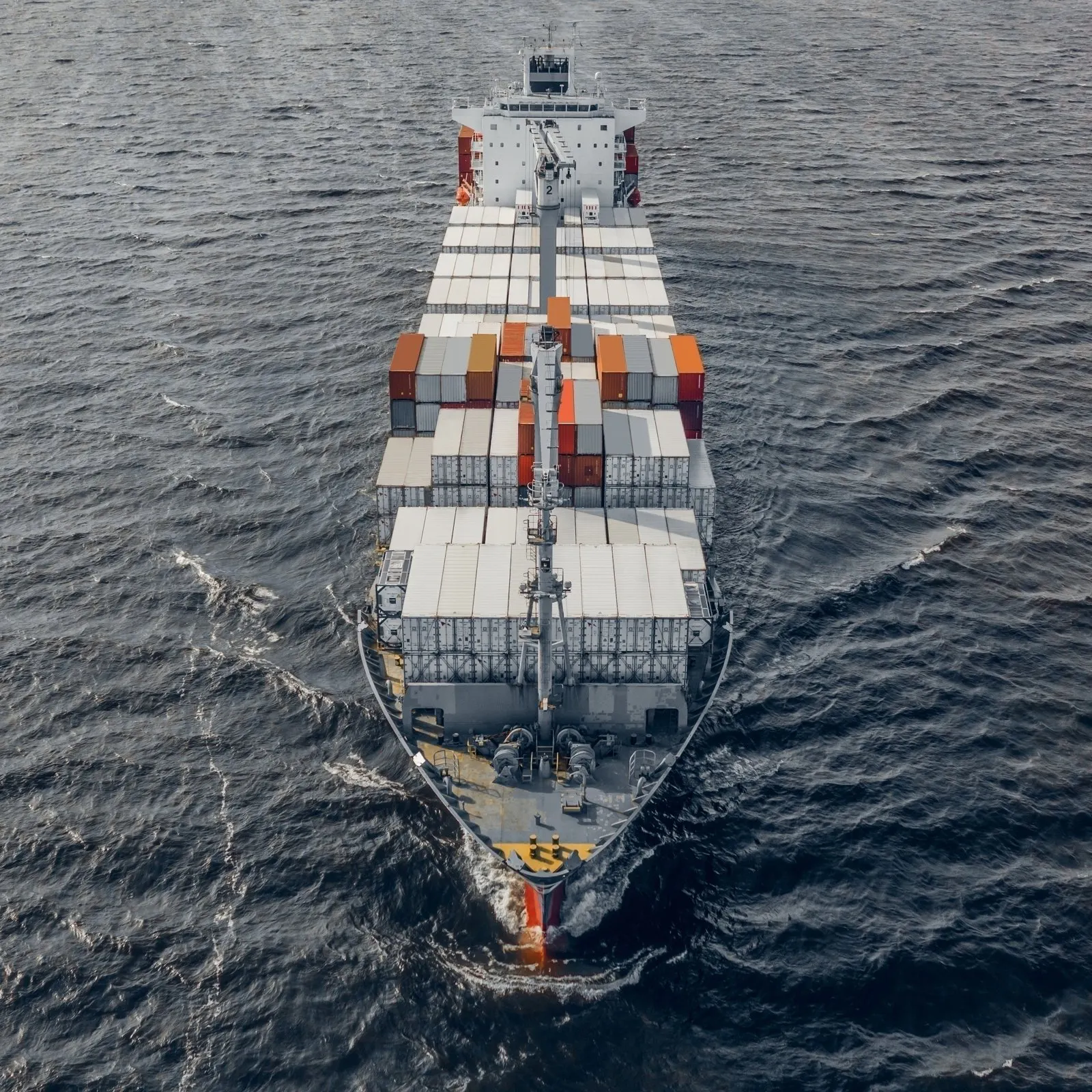
China has launched its first sea-river zero-carbon container route, adding another piece to the country's fast-growing electric vessel network. The service began this week when the 10,000-ton-class fully electric containership Ningyuan Dianpeng departed Jiaxing port in Zhejiang province for Ningbo-Zhoushan.
The 127.8 m vessel can carry 742 teu and is powered by 10 containerised battery units with combined storage of around 20,000 kWh. It is expected to save about 800 tonnes of fuel and cut carbon dioxide emissions by more than 2,000 tonnes a year.
The route links inland electric craft with a seagoing battery-powered ship to form a zero-carbon logistics chain between the Yangtze River Delta hinterland and one of the world's busiest container port complexes. Cargo moves by electric inland vessels to Jiaxing, then transfers to Ningyuan Dianpeng for the leg to Ningbo-Zhoushan. Officials estimate the route will cut emissions by around 60 kg per container and reduce annual emissions by about 4,800 tonnes.
China has become the clear global leader in electric ship deployment, particularly on rivers, coastal trades and port-linked corridors. Backed by state policy, shipyard and battery manufacturing capacity and coordinated port infrastructure, the country is moving battery-electric vessels from demonstration projects into commercial service faster than any other major maritime market. The Jiaxing-Ningbo route shows how the focus has widened from building electric ships to developing the corridors, charging systems and operating models that make them commercially useful.