Canada extends Babcock submarine contract as it awaits new German boats
The billion-dollar extension keeps the ageing Victoria-class fleet running until Germany's TKMS begins delivering Type 212CD submarines from 2032
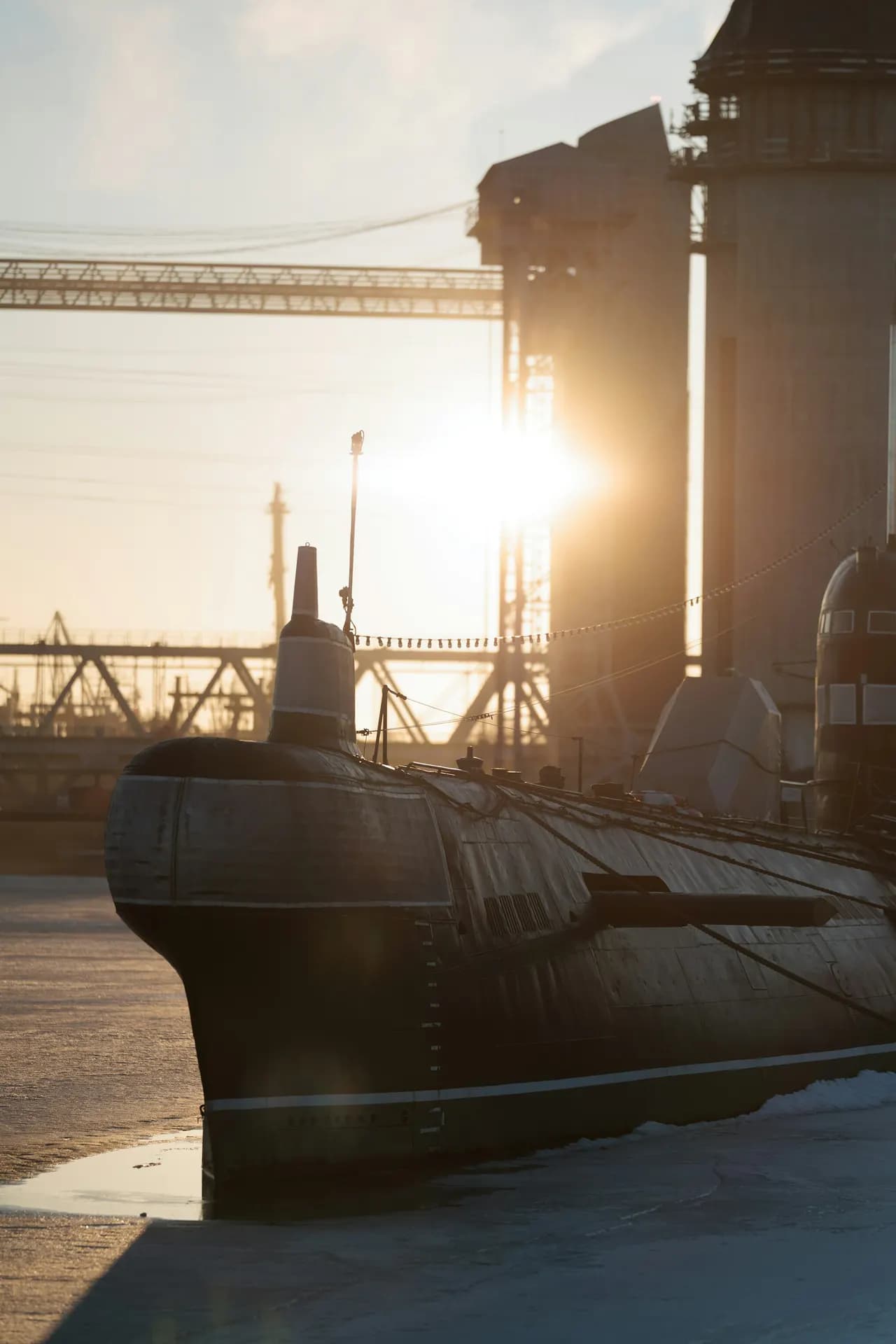
Canada's federal government is extending Babcock Canada's maintenance contract for its fleet of ageing submarines by up to eighteen years as it waits for the delivery of new German-built vessels. The extension, valued at more than a billion dollars over the next six years, gives the government additional flexibility to prolong the service life of its current Victoria-class submarines, of which only one of Canada's four boats is currently operational, with the other three undergoing maintenance.
The contract carries the Victoria-class fleet across the next six years, with options for a further extension out to the end of the submarines' operational life, according to a Babcock executive, who said the federal government has the option of extending the sustainment arrangement beyond that point for up to another twelve years as Canada monitors progress on its submarine replacement programme. Earlier this month, Canada's prime minister announced that the government had chosen to negotiate with German shipbuilder TKMS to procure as many as twelve new submarines following a competitive process.
TKMS has said Canada can expect delivery of the first Type 212CD conventional submarine by 2032, with three more following by 2036, though the design has yet to enter production. A rival South Korean bid had promised earlier delivery of four submarines, underscoring the tight competition Canada faced before settling on its preferred supplier. In the meantime, the Royal Canadian Navy will continue relying on its Victoria-class boats, built in Britain decades ago and purchased by Canada after decommissioning, with Babcock's engineers responsible for keeping them operational.
Maintaining what the Babcock executive described as an "orphan class" of submarines presents distinct engineering challenges, including sourcing spare parts that are no longer produced. Since taking on the maintenance work nearly two decades ago, Babcock has relied on its engineering and technical staff to reverse-engineer submarine parts and build a domestic supply chain for substitute components, an approach the company says allows it to maintain the class while developing capability that could support future programmes.
With Canada's new submarines not expected for several years, the extended Babcock contract ensures the navy retains at least some underwater capability during the transition period, even as questions remain over which company will eventually be responsible for maintaining the incoming TKMS-built fleet once it begins entering service.