British Authorities Seize Cocaine Worth Three Hundred Million At Container Port
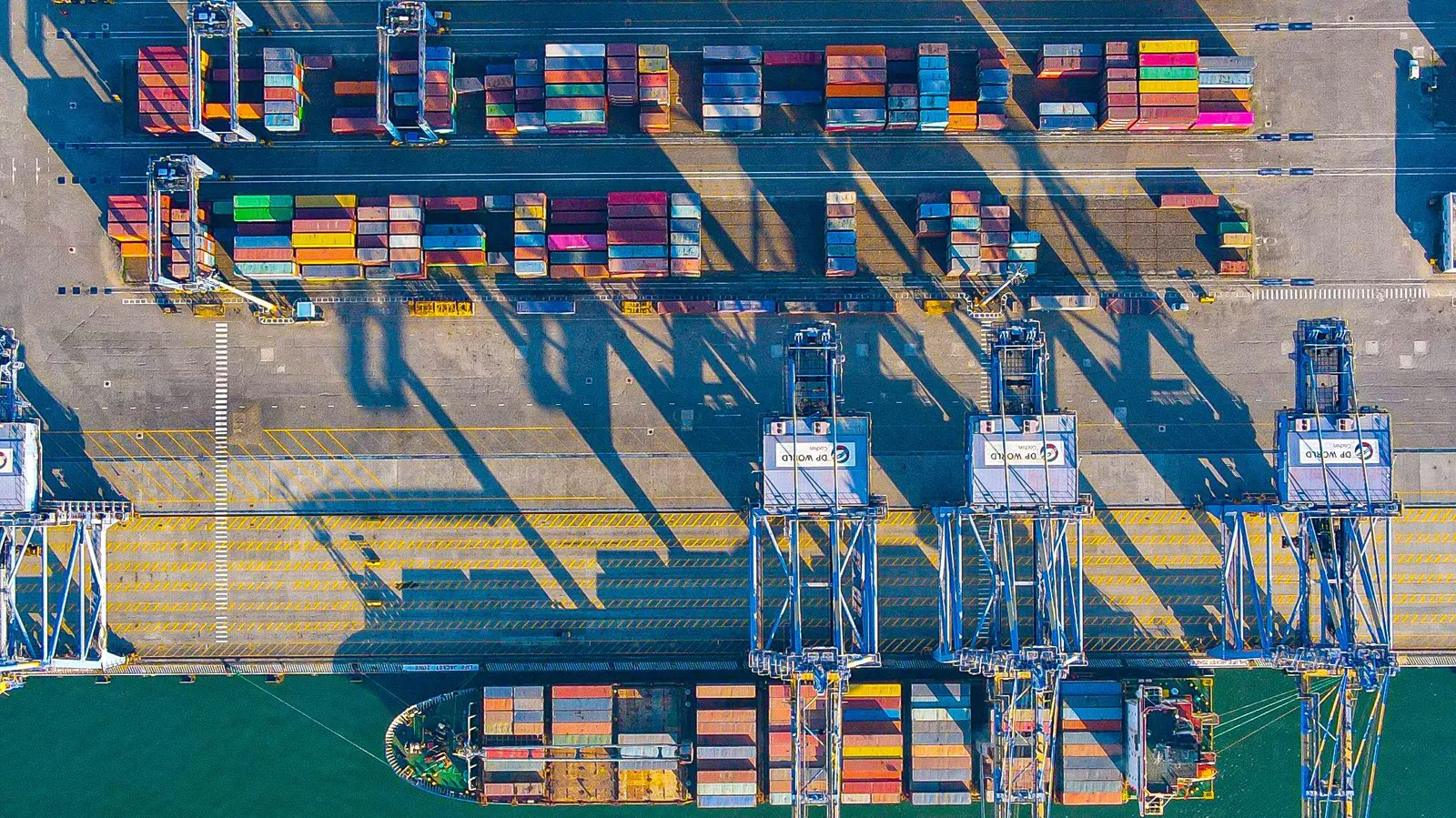
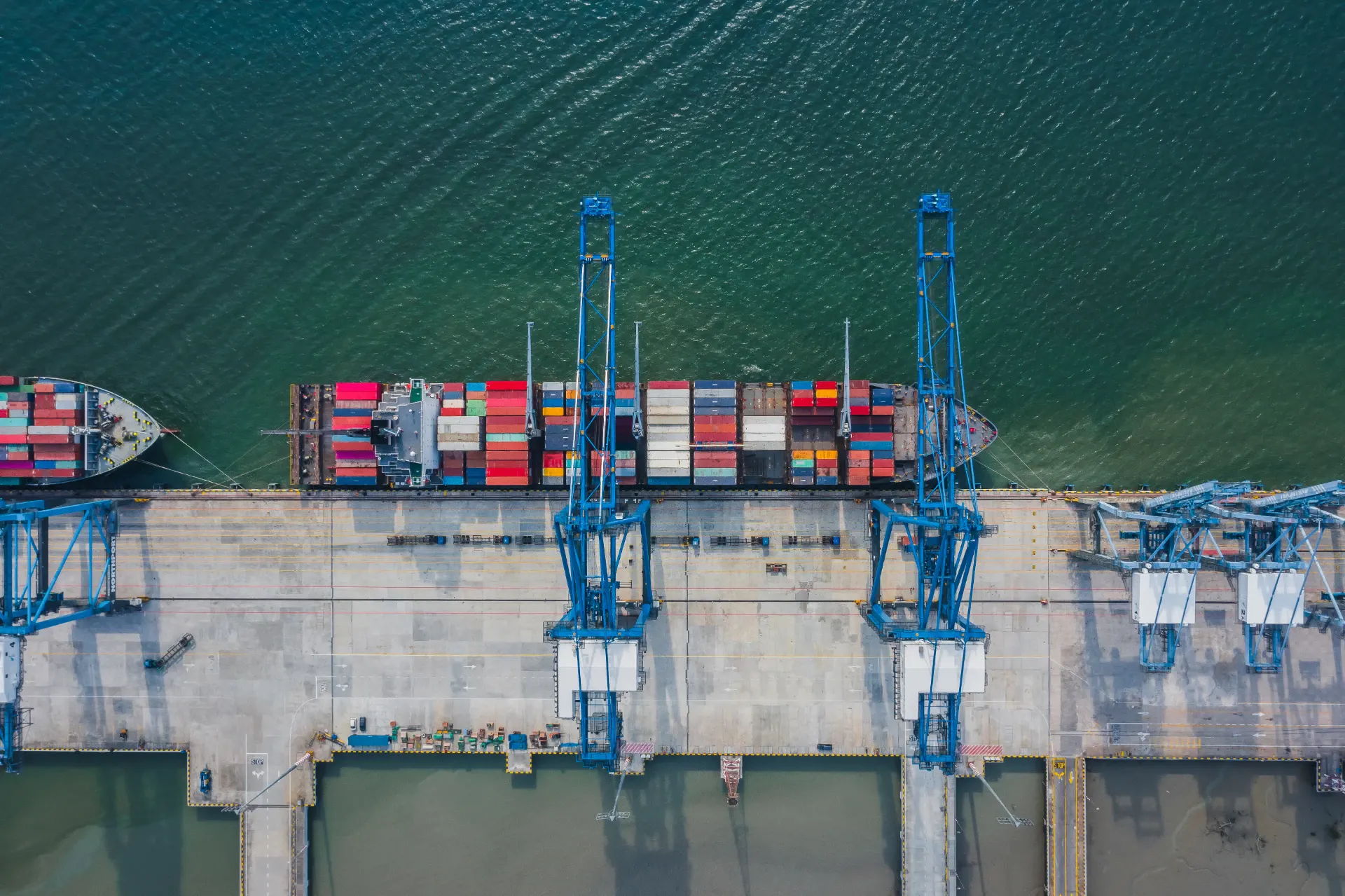
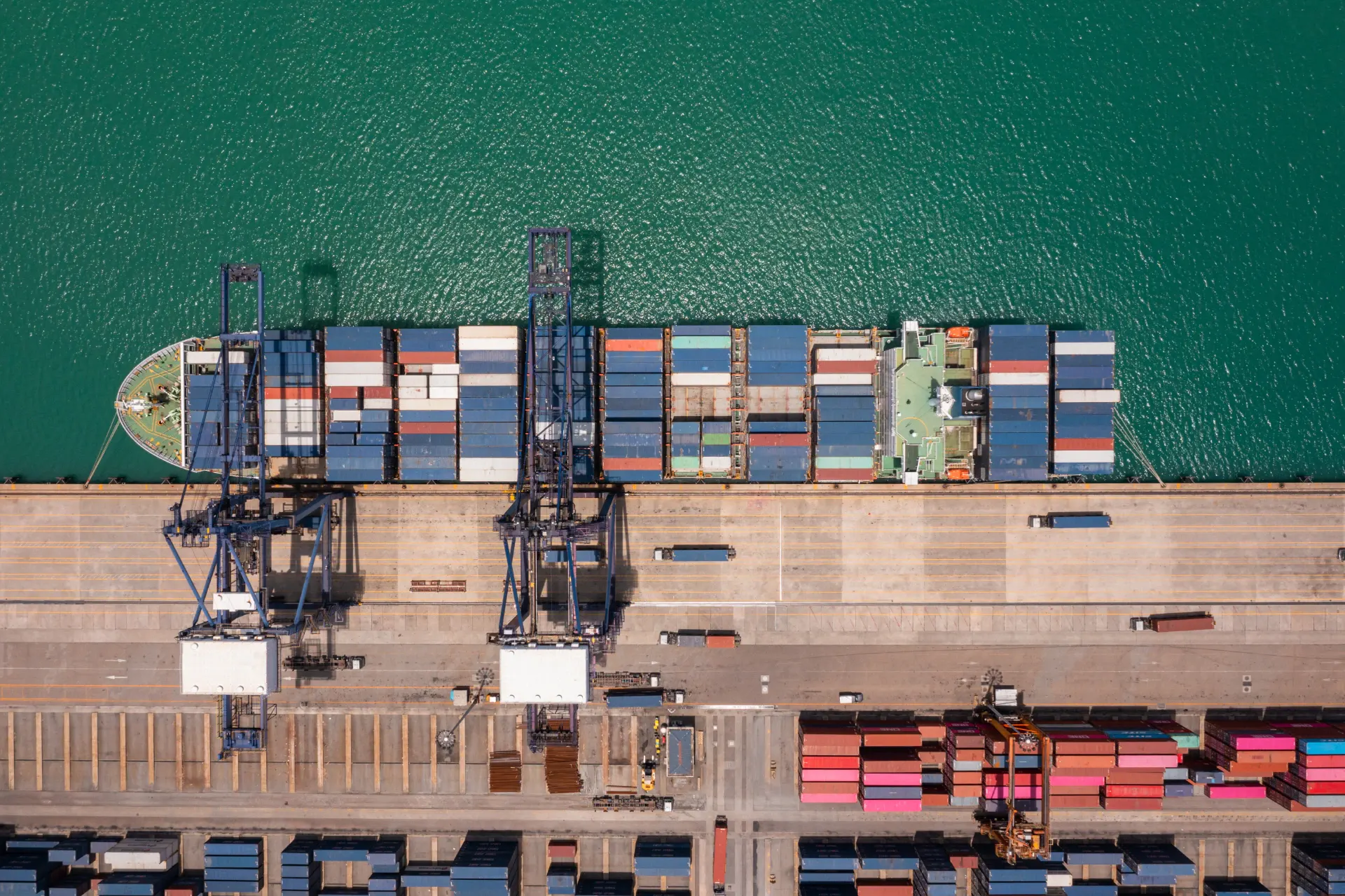
Officials in the United Kingdom have seized cocaine with an estimated street value of around three hundred million dollars at a deepwater container terminal on the Thames, in one of the larger maritime narcotics interceptions recorded in the country. The consignment arrived through a facility that handles some of the largest container ships calling in northern Europe.
Seizures of this magnitude at a single terminal reflect the fundamental asymmetry of container security. A large terminal handles millions of boxes a year and can physically inspect only a small fraction of them, so enforcement depends on intelligence, risk profiling and the analysis of manifest data rather than on searching. When a consignment of this size is found, it is generally because someone knew where to look.
The economics that sustain the trade are unchanged by any individual seizure. Cocaine landed in Europe is worth a substantial multiple of its value at origin, and the shipping cost is negligible against that margin, so the loss of a single consignment is an operating expense rather than a deterrent. Traffickers price in interception rates and adjust volumes accordingly, which is why seizure totals tend to rise alongside supply rather than instead of it.
What does change with each large seizure is the pressure on the legitimate operators caught in the middle. Terminals, carriers and forwarders face regulatory scrutiny, potential penalties and reputational damage over cargo they did not pack and cannot inspect, and the compliance burden of demonstrating that they exercised due care falls on them. Ports that acquire a reputation as an entry point attract more inspection, which slows every other box moving through.
The vulnerability that enforcement agencies most consistently identify is the insider. Moving a container of narcotics out of a secured terminal requires knowledge of where it is stacked and the ability to influence its handling, which means access. Terminal operators have responded with tighter vetting, restricted data access and monitoring of yard movements, but the labour force at a large port is measured in thousands and the sums offered to a single willing employee are life-changing. Ports elsewhere in northern Europe have gone considerably further, screening staff repeatedly, sealing terminal perimeters and prosecuting corruption cases publicly, and the traffic has largely responded by moving to whichever gateway is applying the least pressure at the time.