The Container Fleet Is About to Pass 34m TEU After Adding 10m in Five Years
Less than 300,000 TEU has been recycled since early 2021, the lowest run since the 2004 to 2009 stretch
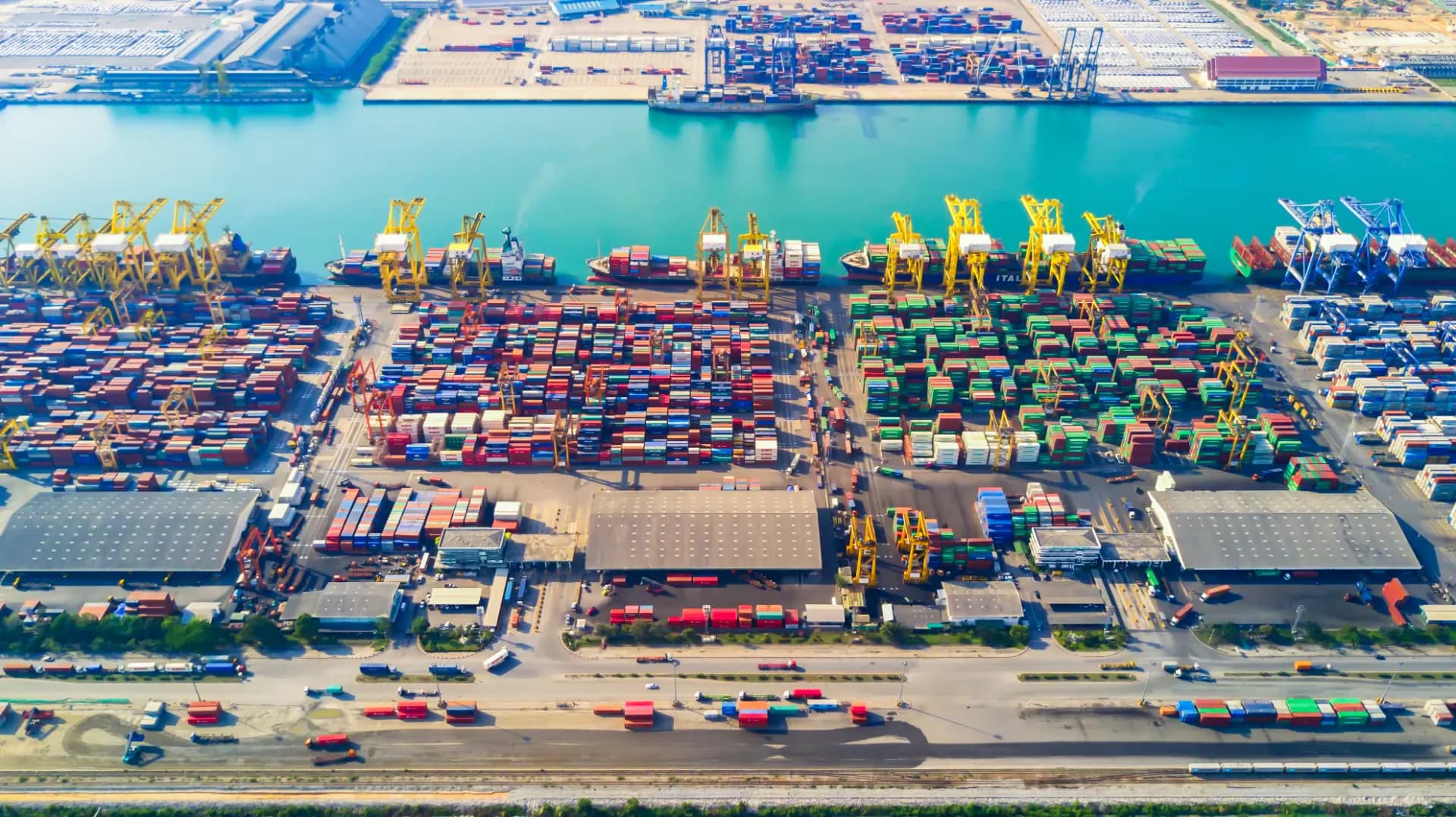
The global containership fleet is on the point of passing 34m TEU for the first time, having added a record 10m TEU of capacity in just five and a half years.
Fleet capacity stood only 8,000 TEU short of the milestone at the start of September, with a further 46 containerships totalling 286,000 TEU scheduled for delivery during the month. Only a handful of those need to enter service for the mark to be crossed.
The pace is what stands out. The increase from 24m TEU to 34m TEU represents growth of 42%, and took five and a half years. The previous 10m TEU expansion, from 14m to 24m, took slightly more than ten and a half years. BIMCO chief shipping analyst Niels Rasmussen said the growth reflects a combination of record-high newbuilding deliveries and remarkably low ship recycling activity.
The recycling side of the ledger has effectively stopped. Less than 300,000 TEU has been demolished in the past five and a half years. The last comparable stretch of such limited recycling ran from early 2004 to mid-2009, when the containership fleet was about a third of its current size. Firm freight and second-hand markets have given owners better options than a ship recycling yard for most of that period, and the arithmetic has been reinforced by long-haul routings that absorb tonnage.
Large vessels drove much of the expansion. Ships above 12,000 TEU accounted for two-thirds of the 10m TEU added since early 2021, lifting their share of global fleet capacity from 30% to 40%, and average containership size rose 14% over the same period. Carriers themselves accounted for 85% of the capacity added and now control 65% of global fleet capacity, up from 57% in early 2021, a concentration that puts more of the supply decision in the hands of the operators rather than of independent owners.
The demolition candidates are accumulating in the meantime. Nearly 2,000 containerships with more than 5m TEU of combined capacity are already at least 20 years old, and will reach or exceed the historical average recycling age of 25 years within the next five. Even a sharp increase in scrapping may not prevent further rapid growth: the orderbook contains more than 14m TEU scheduled for delivery by the end of 2030, and depending on recycling levels the fleet could add another 10m TEU over five years to reach 44m.
One large variable sits outside the fleet numbers altogether. Effective vessel supply would rise further if normal Suez Canal routings resume, releasing the capacity currently absorbed by longer voyages around the Cape of Good Hope. That capacity is not new tonnage, but it would arrive on the market as if it were.