Baltic Dry Index Snaps Two-Session Slide as Capesize Earnings Climb
Capesize daily earnings rose $486 to $36,667 while the panamax index fell to its lowest since 31 July.
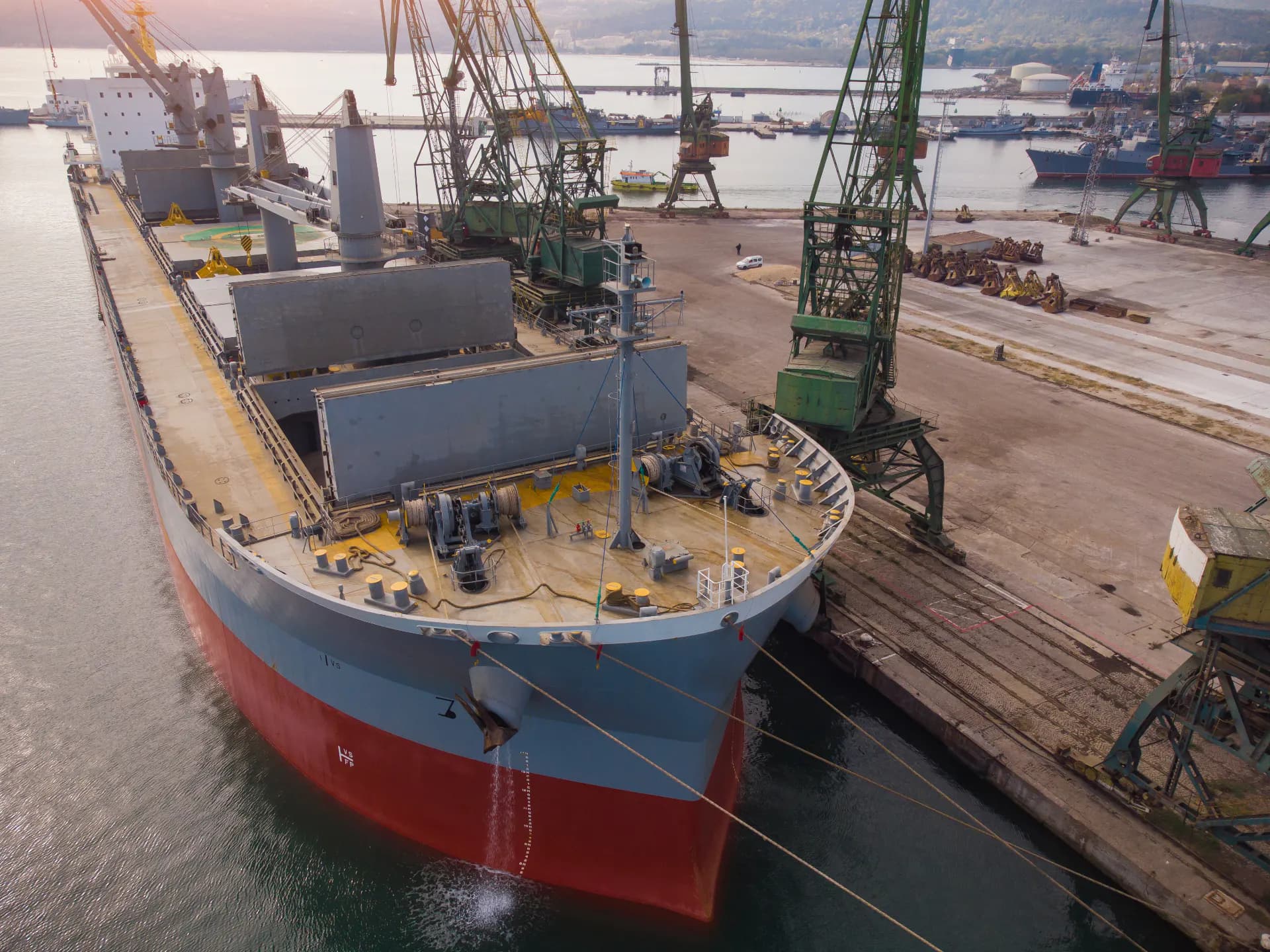
The Baltic Dry Index ended a two-session losing run, closing 15 points, or 0.5 percent, higher at 2,791 as strength in the largest size class outweighed weakness below it.
The capesize index did the work, adding 53 points, or 1.2 percent, to 4,429. Average daily earnings for capesize vessels rose $486 to $36,667.
The panamax market moved the other way. Its index fell 19 points, or one percent, to 2,088, the lowest reading since 31 July, with average daily earnings down $174 to $18,790. That is a widening spread: capesizes are now earning close to twice what panamaxes earn, a gap that usually reflects a specific cargo market rather than general sentiment.
Among smaller ships the supramax index gained three points, or 0.2 percent, to 1,637, its highest level since 28 July.
The commodity leg was unhelpful. Iron ore futures fell, giving back the previous session's gains, which had been driven mainly by coking coal and coke prices. Persistently weak steel demand continued to weigh on sentiment, and iron ore is the cargo that sets the capesize market more than any other. A freight index rising while the futures for its dominant cargo fall is a divergence that tends not to last long in either direction.
The session leaves the index in the position it has held for several weeks: capesize-led, with the mid-size segments providing little support. For operators the practical question is whether the large-ship strength reflects genuine tonne-mile demand or a temporary positioning squeeze, since the two look identical for the first few sessions and diverge sharply afterwards.
The index has spent the month in a narrow band, and single-session reversals of this size say more about how the segments are moving apart than about the direction of the market as a whole.