American President Orders Electromagnetic Launch Systems Removed From Carriers
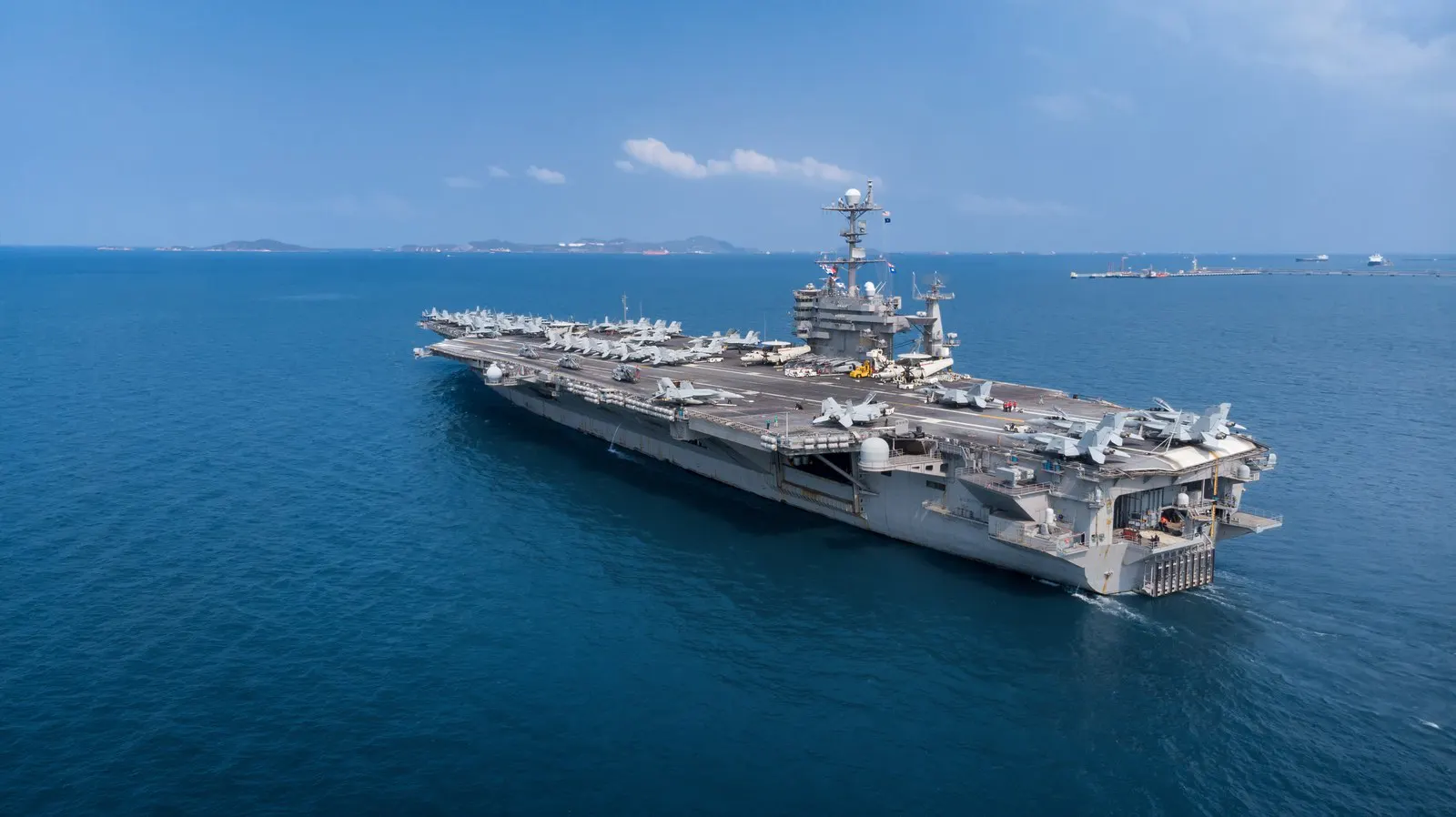
The United States president has ordered the removal of the electromagnetic aircraft launch system and the associated arresting gear from the navy's newest class of aircraft carrier, directing a return to the steam catapults and hydraulic arresting equipment used on earlier ships. The instruction affects a system that has been in development for two decades and is installed on the lead vessel of the class.
The electromagnetic system was adopted to solve real problems with steam. Steam catapults are heavy, consume enormous quantities of fresh water, require large below-deck plant and apply launch forces in a spike that stresses airframes. An electromagnetic launcher can tailor the acceleration curve to each aircraft, handle a much wider range of weights from light drones to heavy strike aircraft, and recover energy between shots.
Against that, the system has had a difficult service history. Reliability in early operation fell well short of requirements, with failures occurring far more frequently than the specification allowed, and a fault in one catapult can affect others because they share power distribution. Steam catapults, whatever their inefficiencies, are a mature technology whose failure modes are understood and whose repair does not depend on a small pool of specialists.
Reversing the decision is not a matter of swapping equipment. The launch system is integrated into the ship's electrical architecture, which was designed around the enormous transient loads the catapults draw, and the space that steam plant would occupy has been given over to other uses. Retrofitting steam into a hull designed without it would require reopening the ship on a scale comparable to a major midlife overhaul, at a cost and duration that would take a carrier out of service for years.
The broader question is what it says about very large, very long development programmes. A carrier ordered in one decade, launched in another and modified in a third accumulates decisions made under assumptions that no longer hold, and each reversal costs more than the original choice. Navies facing cheap anti-ship missiles and long-range drones are already debating whether concentrating so much capability in single hulls remains sound, and an argument about which catapult to fit sits inside that larger and less comfortable discussion.