American Helicopter Disables Cargo Ship Bound For An Iranian Port
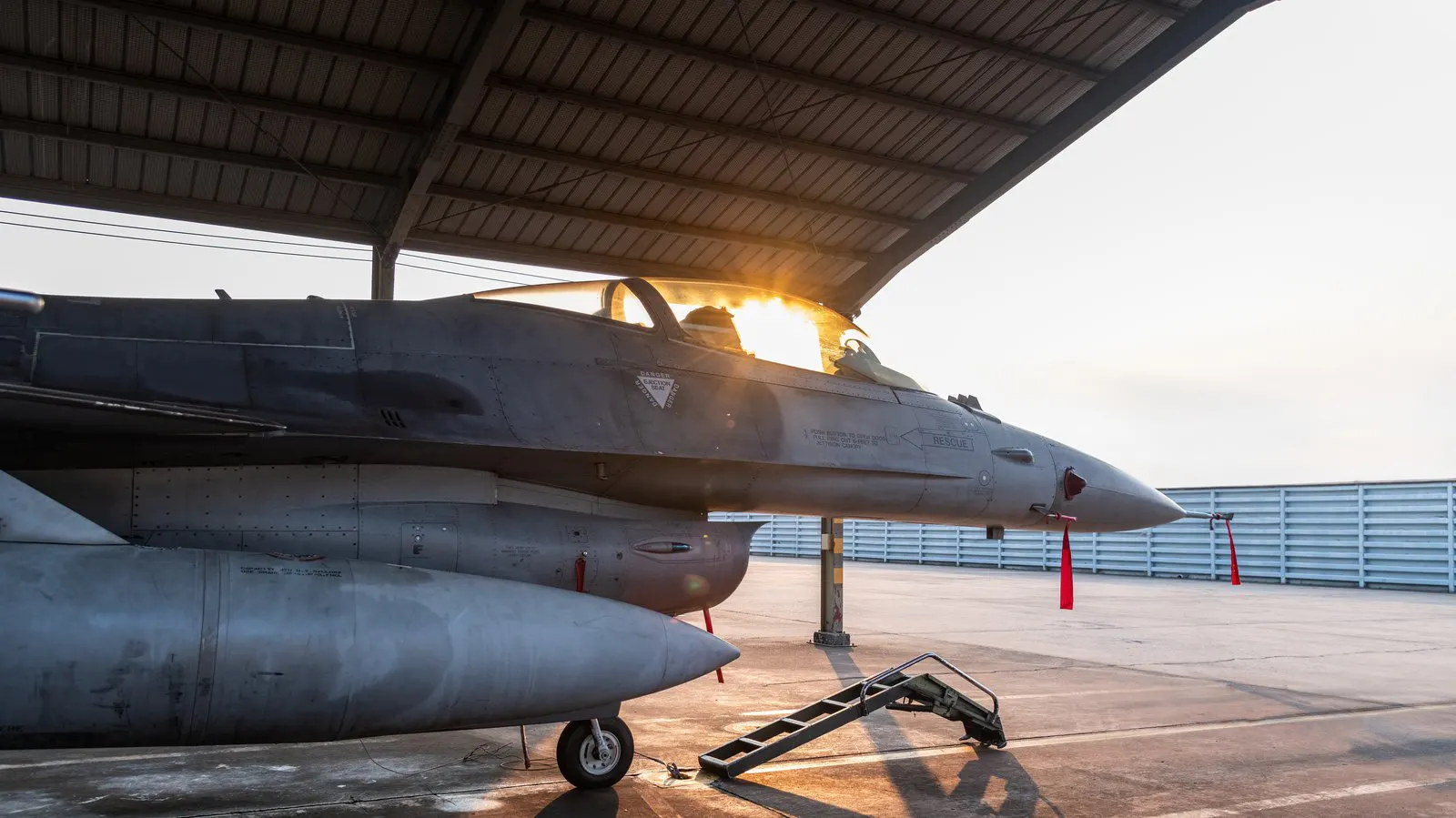
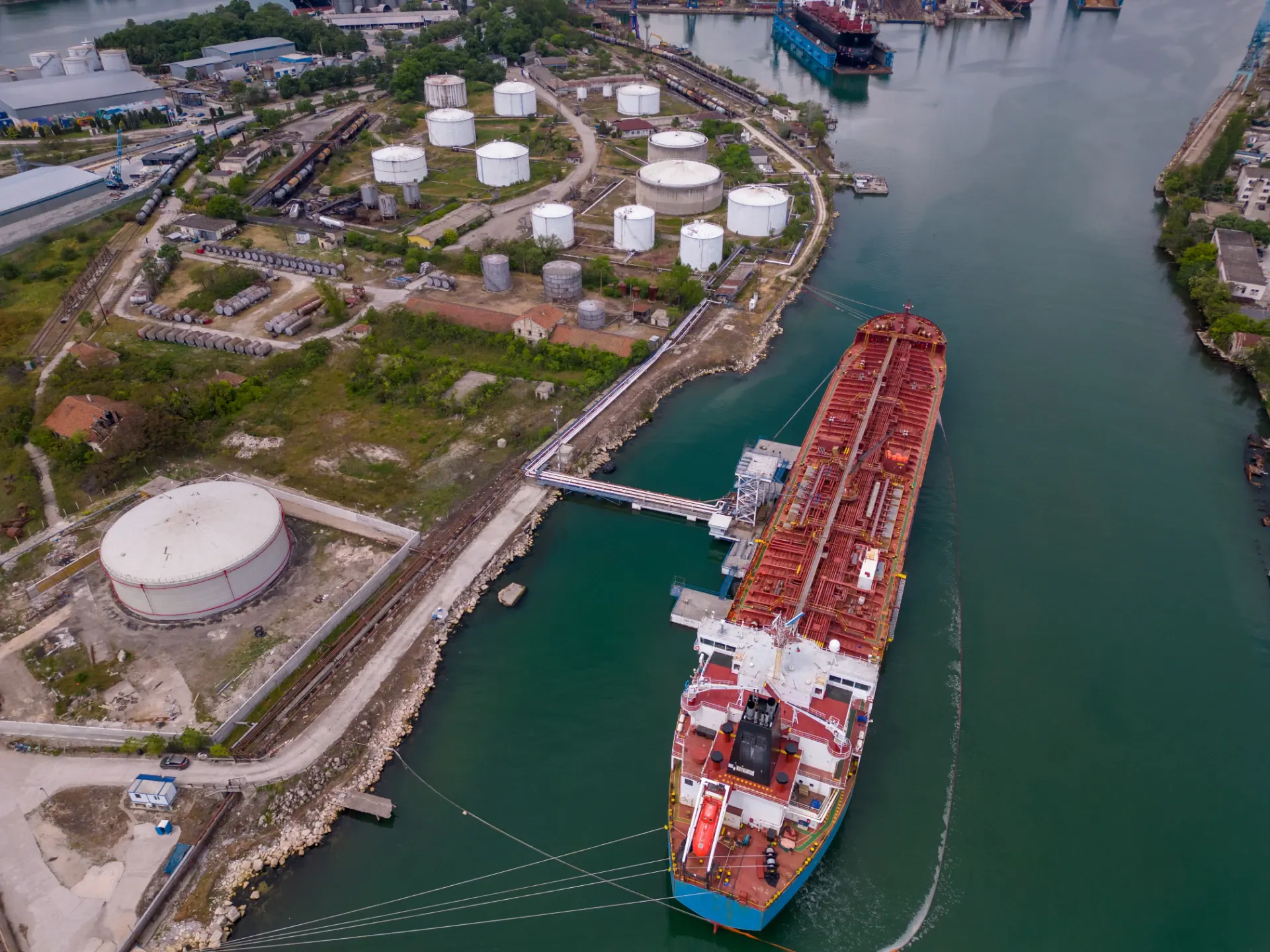
A United States Navy helicopter fired two missiles into the engine room of a Panama-flagged cargo ship in the Gulf of Oman after the vessel ignored repeated warnings and continued towards an Iranian port. The strike disabled the ship's steering gear and brought it to a halt. It is the third vessel American forces have put out of action since a blockade of Iranian ports was reimposed in mid-July, and no casualties were reported.
According to the regional military command, warnings were issued to the civilian crew over an extended period before the helicopter engaged. The command said the ship was no longer transiting towards Iran in breach of the blockade, but did not identify the port it had been heading for. Reporting afterwards indicated the crew appeared to be attempting to transfer to another civilian vessel, and a British maritime risk consultancy separately identified the ship. Earlier assessments had speculated that it might have been struck by a missile from another source.
The cumulative figures give a sense of the operation's scale. As of the second week of August, American forces had redirected 55 commercial vessels attempting to bypass the blockade, disabled three and boarded two others. An earlier enforcement period running from mid-April to mid-June saw nine vessels disabled and more than 140 redirected, suggesting the current phase has so far met less determined resistance, or that owners have simply learned to keep clear.
Traffic through the Strait of Hormuz has fallen sharply since the conflict began. Iran has said that lifting the blockade of its ports is a condition for reopening the strait, which before the war carried a substantial share of the world's seaborne crude and liquefied natural gas. Attacks on vessels in the area have compounded the disruption, energy prices have moved erratically, and mediation efforts have so far produced no agreement. Exchanges of fire have continued intermittently since a ceasefire collapsed in June.
The United States currently has more than fifteen warships in the Arabian Sea, including two aircraft carriers and an amphibious assault ship, and has described its forces in the region as remaining highly vigilant. Meanwhile the wider maritime security picture continued to deteriorate elsewhere: in a separate incident the same week, Yemen's internationally recognised government said six people were killed and ten injured when a cargo ship was struck in the Red Sea, in what appears to be the first fatal attack on a vessel by that group since the war began.