ADNOC Vessel Struck In Hormuz As Houthi Drone Hits Saudi Refinery
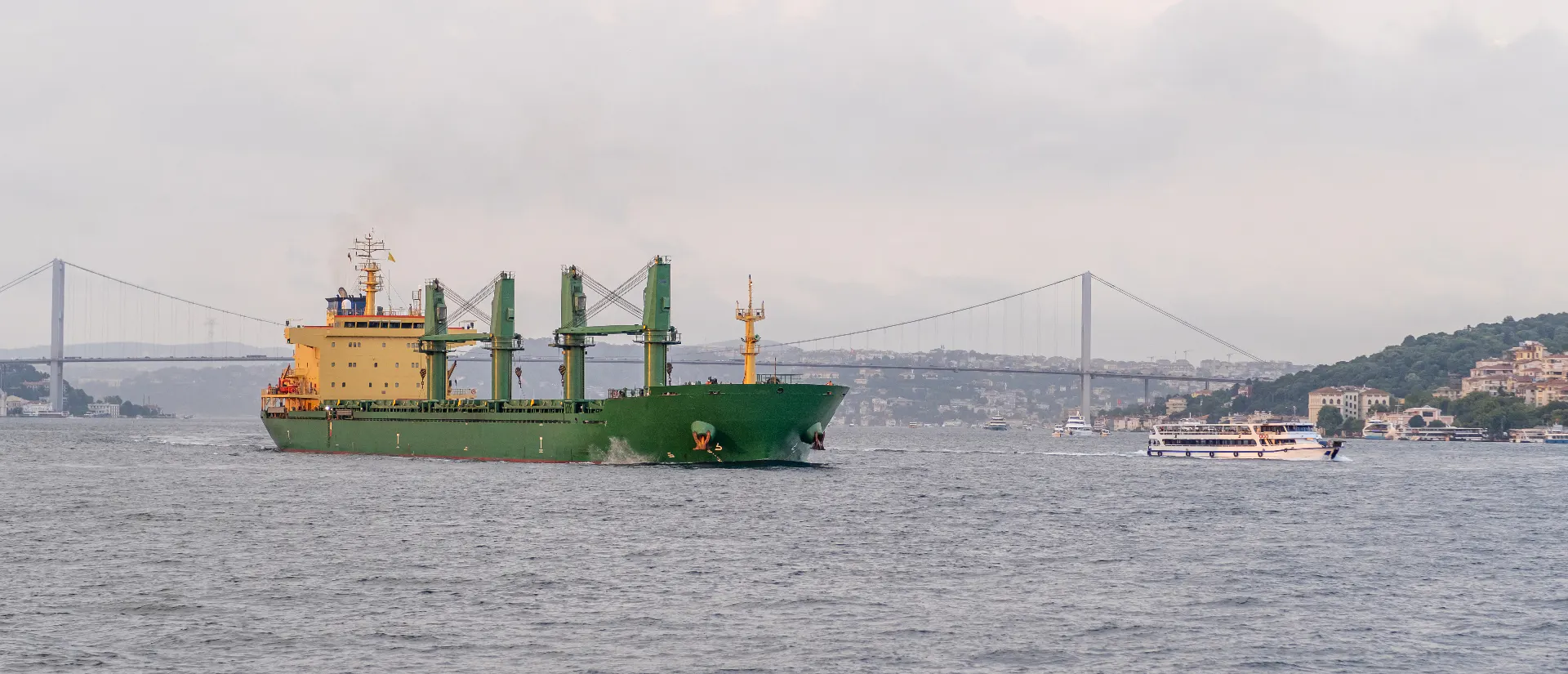
An ADNOC-owned vessel was hit by a missile early on Saturday while transiting the Strait of Hormuz, and a Houthi drone struck a major Saudi refinery the following day, in a weekend that widened the pressure on Gulf energy infrastructure on two fronts at once. No casualties were reported aboard the vessel and ADNOC said the situation was brought under control. The company has not disclosed the ship's name or type.
The United Arab Emirates foreign ministry described the attack as an act of piracy by Iran's Revolutionary Guard Corps, said that using the waterway as a tool for pressure or economic blackmail threatened regional stability and global energy security, and urged Tehran to stop targeting commercial shipping. Condemnations followed from Qatar, Saudi Arabia, Jordan and the Gulf Cooperation Council. No Iranian response was reported.
The running total is contested. ADNOC itself said on Saturday that fifteen of its vessels had been attacked by missiles and drones in the strait since the conflict began in February, including three in that week alone, with one crew member killed and twenty injured. Some accounts place the weekend strike as the sixteenth, counting it on top of that figure. Either way the pattern is unambiguous: a single national oil company has absorbed a sustained campaign against its tonnage in a waterway where traffic has reportedly fallen to around a tenth of pre-war levels.
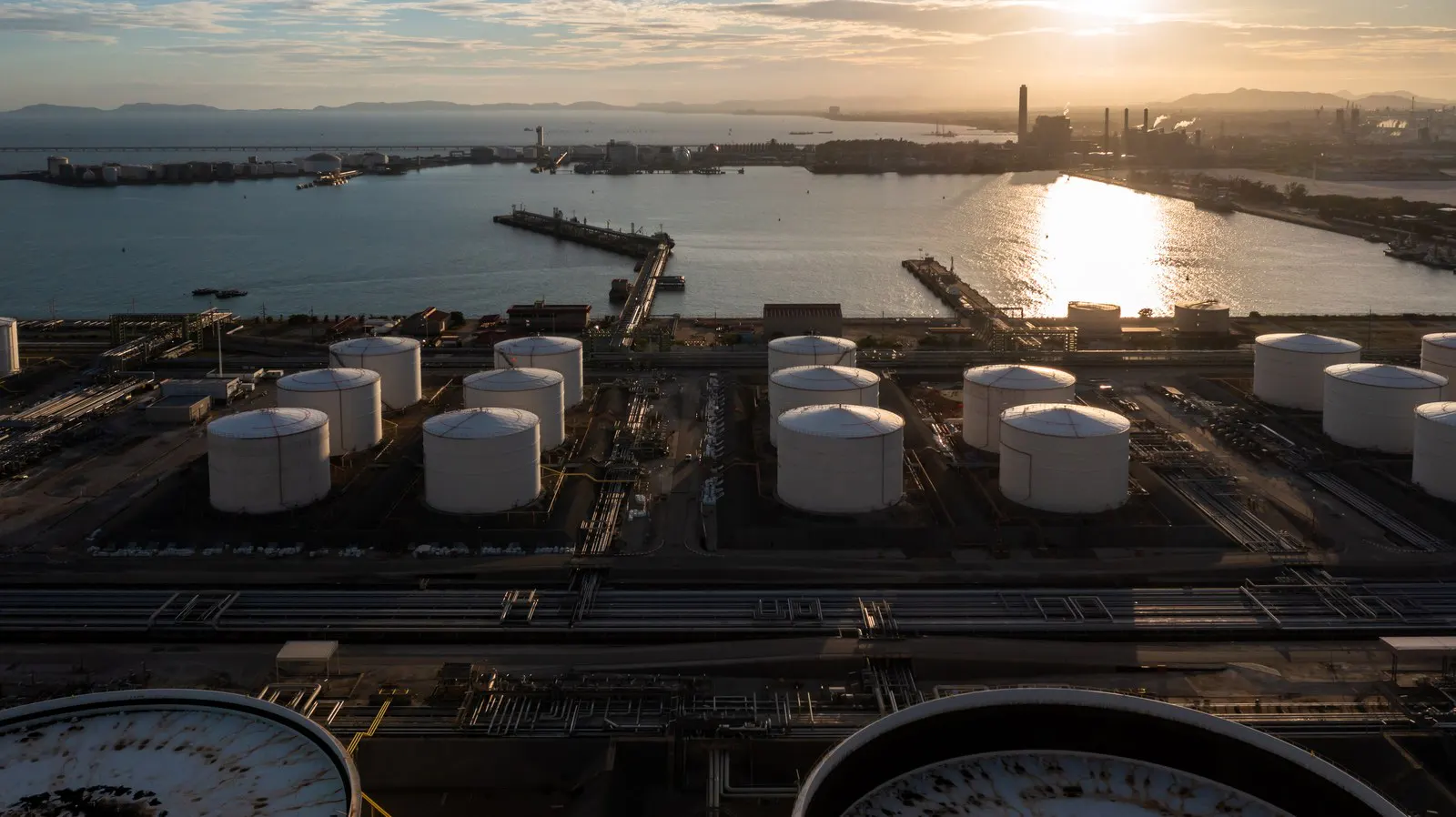
The refinery attack came a day later. A Houthi drone struck Saudi Aramco's Jazan facility, which has a capacity of roughly 400,000 barrels a day. The fire was extinguished and no deaths were reported. The Saudi energy ministry said the competent authorities were completing the necessary procedures to deal with the incident and did not name a cause. The Houthis described the strike as precise and framed it as retaliation for violations of Saudi airspace. A separate attack on the port of al-Makha killed seven.
For owners the significance lies in the combination. A campaign against shipping in Hormuz raises the cost and difficulty of lifting Gulf crude; a campaign against refineries on the Red Sea coast erodes the alternative that Saudi Arabia has been leaning on while the strait remains disrupted. Vessels that reroute away from one threat are not moving away from the other, and the insurance market has begun pricing the two as a single, compounding regional exposure rather than as separate theatres.