Abu Dhabi bars idle tankers from its oil terminals as Hormuz strikes reach 17
ADNOC Petroleum Ports Authority demands 72 hours notice at Ruwais, Jebel Dhanna, Das, Zirku and Mubarraz for 90 days
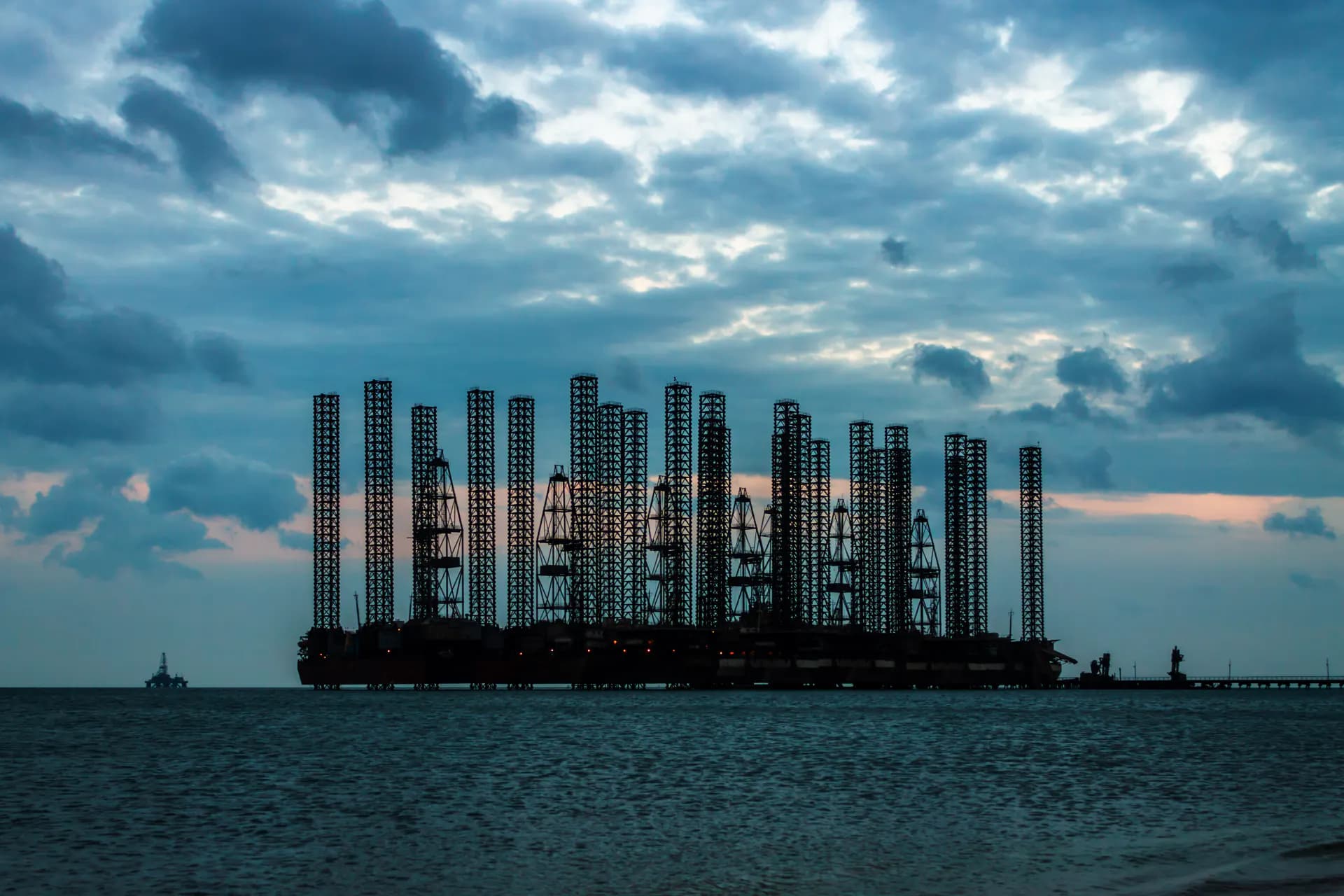
Abu Dhabi has closed the waters around its main oil and gas export terminals to tankers that have no business there. A notice from ADNOC's Petroleum Ports Authority bars ships carrying crude oil, petroleum products, liquefied gases, chemicals and other hazardous cargoes from entering or waiting in its jurisdiction unless they are calling at its terminals.
The rule applies to every flag, UAE-registered ships included. Tankers bound for Ruwais, Jebel Dhanna, Das Island, Zirku and Mubarraz must file their documents at least 72 hours before arrival. The measures run for an initial 90 days. Search and rescue, pollution response and help to people in distress are exempt, and ships in breach can be ordered out of UAE territorial waters at once.
The notice does not cover Fujairah, the export and bunkering hub outside the Strait of Hormuz, which has its own port authority. It follows heavy coastal pollution in October from the damaged tanker Gem No 2, which closed beaches across several emirates.
How many ships have been hit?
The Joint Maritime Information Center counts 17 tankers struck in the Strait of Hormuz since 1 November. The latest confirmed attack, on 25 November, hit an unidentified tanker in transit; her crew are accounted for and no pollution was reported. Three tankers were struck on 22 November and a bulk carrier was attacked in the Gulf of Oman.
Iran's Revolutionary Guard claimed on 26 November that two more tankers had caught fire after hitting mines, one of them a VLCC carrying more than 2m barrels of crude. Neither claim has been independently verified. ADNOC Logistics & Services confirmed that a Jordanian seafarer missing since an attack on one of its ships on 17 November has been found dead; two of his colleagues remain in hospital.
Iran's Persian Gulf Strait Authority has added 26 tugboats to the list of vessels it says broke its shipping rules. The Joint Maritime Information Center warned that this could hamper help for damaged ships and disrupt anchorage work off Oman and the UAE.
What does it do to the tanker market?
Tanker traffic through the strait rose in November compared with October, Vortexa data show, but with fewer VLCCs and suezmaxes and more small tankers. Gibson Shipbrokers puts earnings for a VLCC loading inside the Gulf for China at more than $1 million a day, three times a comparable voyage loading in the Gulf of Oman. Signal Ocean data show more than three-quarters of the world's LR2 fleet now carrying crude rather than products.
This story is part of the Maritime Briefing of 27 November 2026.