Turkish groups challenge revised environmental assessment for Aliaga ship recycling
Campaigners say the filing ignores pollution, worker safety and yard-level risks
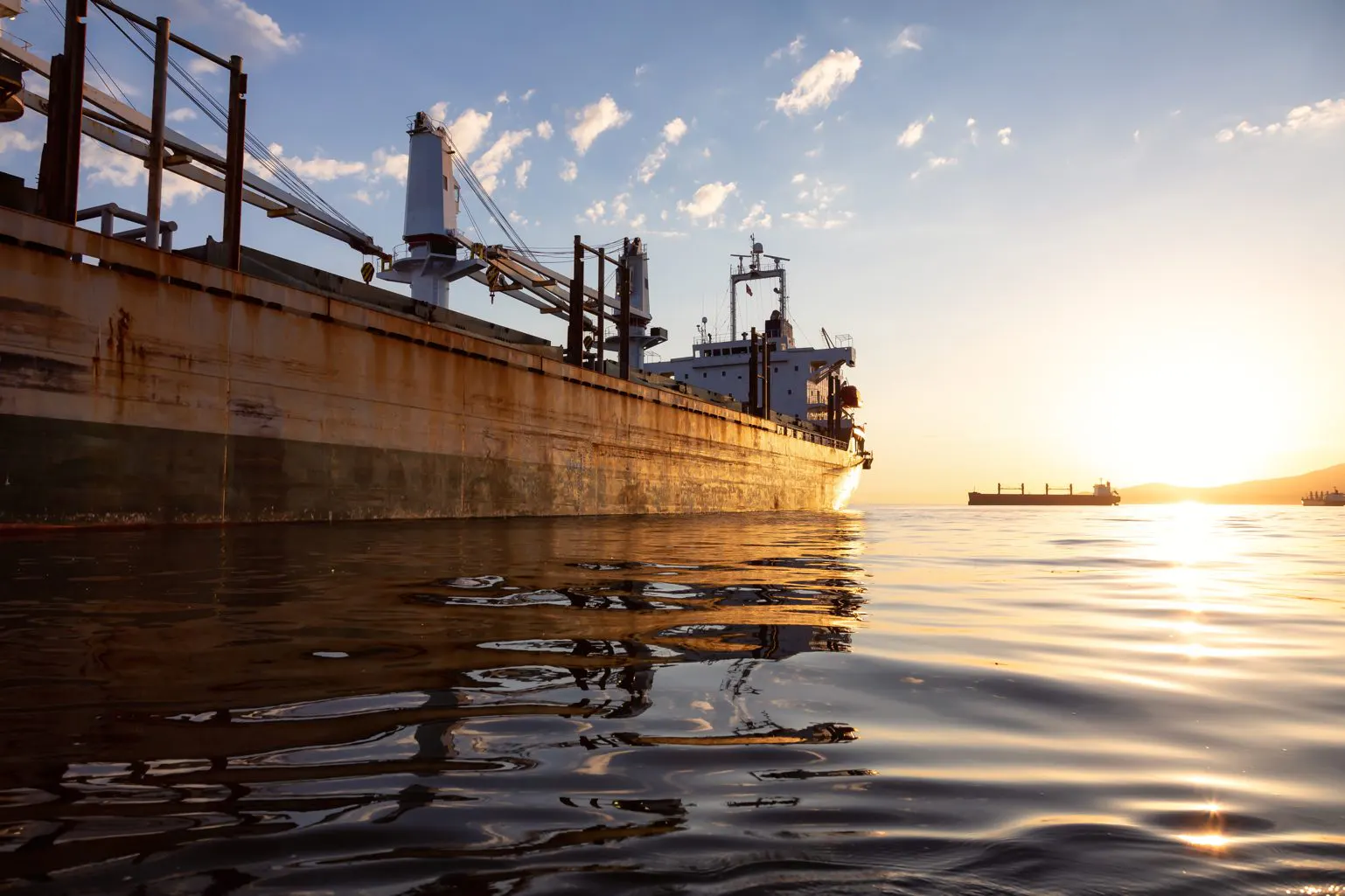
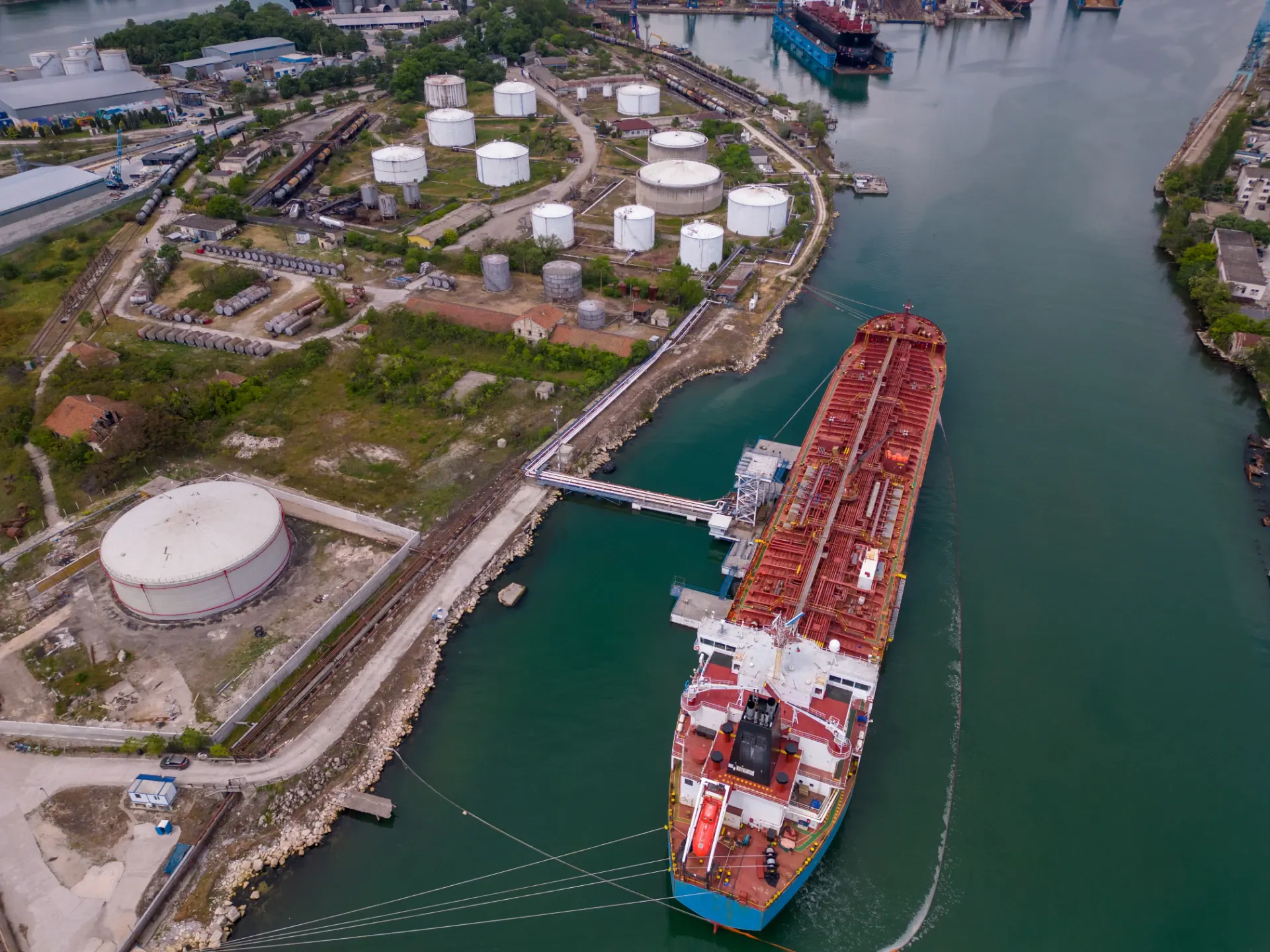
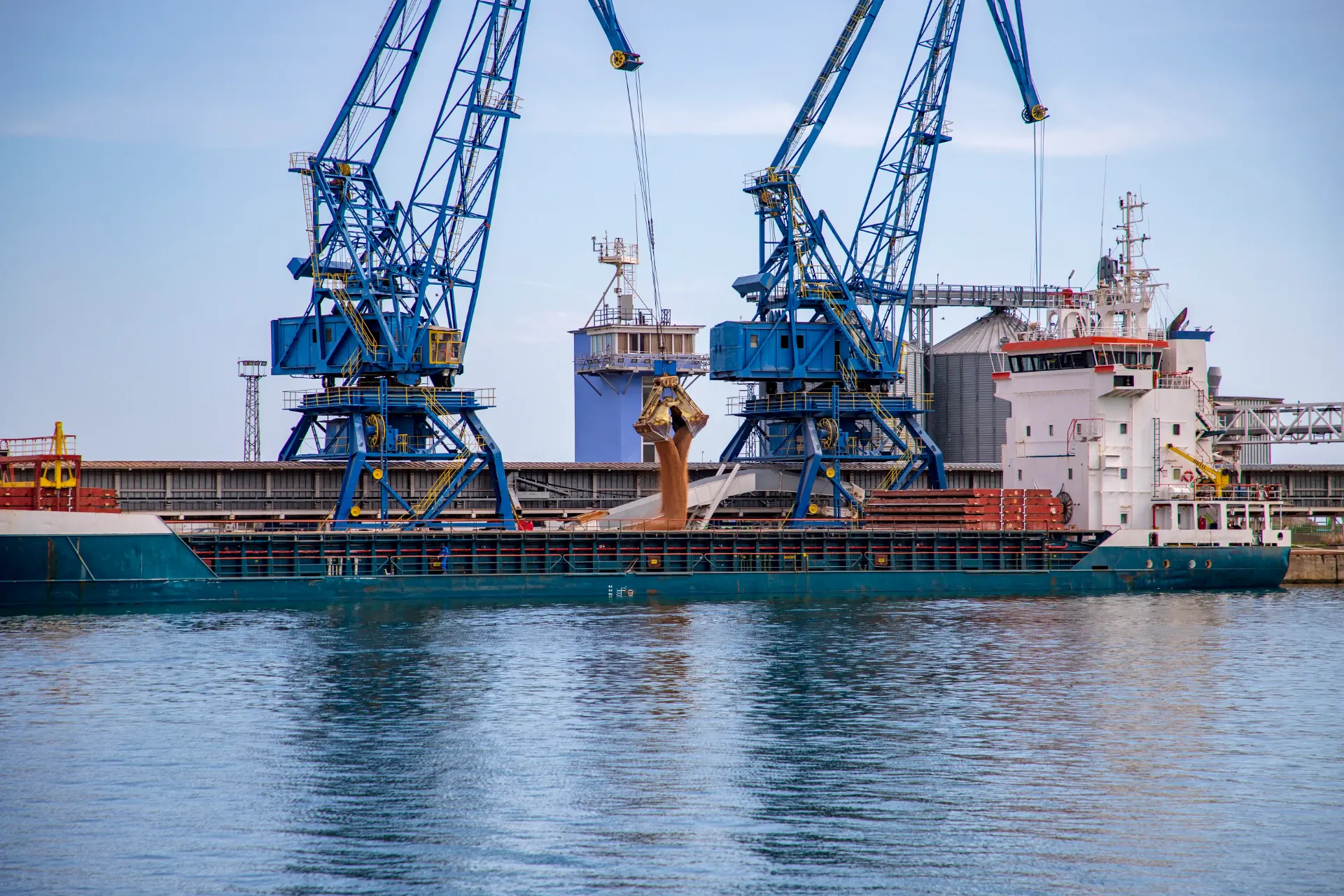
Turkish civil society groups have urged authorities to reject a revised environmental impact assessment for the Aliaga ship recycling yards, arguing that it legitimises existing operations without properly examining pollution, worker safety or yard-level risks. The challenge follows a public consultation held in late June, and the groups say the application seeks an increase in operational area even though coastal land formed by sediment accumulation is already used for metal waste, ropes, equipment and vehicles.
According to the campaigners, the filing contains no maps, field studies, yard reviews or current pollution data, and fails to assess geology, earthquake risk, biodiversity, agriculture, the marine environment, hazardous waste and wastewater, or to disclose waste types and volumes. They also questioned why an industry association filed the application when it does not itself operate the yards, noting that the country's rules require the project owner to apply.
Safety featured heavily in the objections. Four workers have died at Aliaga yards since October 2025, including two at facilities on the European Union's approved list, and one worker in his sixties was killed earlier this year after being crushed during cutting. A campaigner said the assessment failed to address the sector's key environmental, technical and occupational risks despite earlier studies identifying ship recycling as a serious source of pollution in the region, and called for a holistic review of both safety and environmental concerns.
A regulation published in June introduced an authorisation system aligned with the Hong Kong Convention, including yard-level and ship-specific recycling plans, approvals and sanctions, and the environment ministry must issue detailed rules within a year. For now, campaigners say permitting, pollution-control, monitoring and transparency standards remain unclear, pointing to earlier inspections at listed yards that found pollution and documentation shortcomings.