South Korea to extend offshore wind price contracts to 25 years
The longer fixed-price terms are intended to lower bid prices and improve project economics by giving developers more time to recover upfront costs
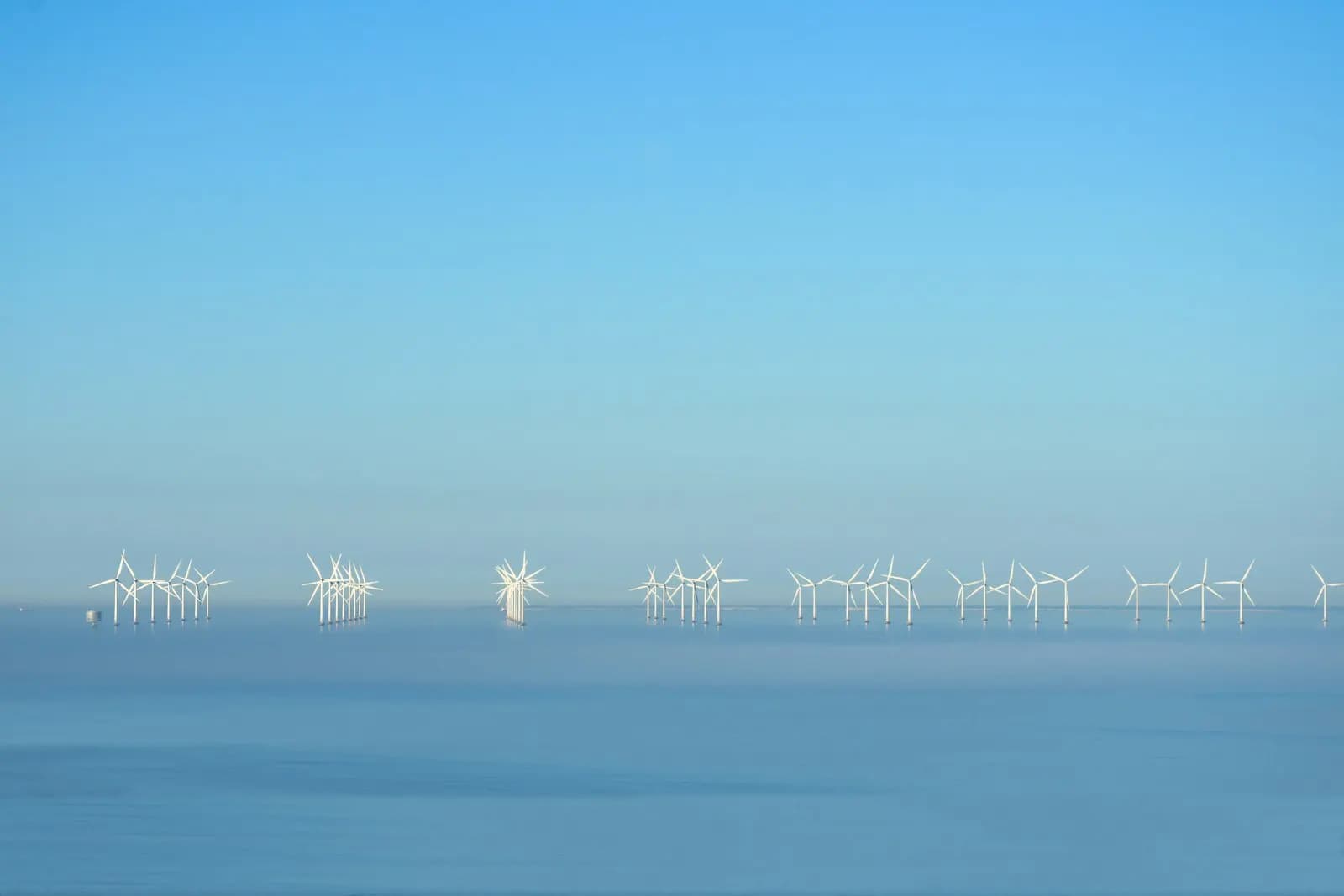
South Korea is preparing to extend fixed-price contracts for offshore wind projects from 20 to 25 years, in a move aimed at reducing bid prices and improving overall project economics for developers. The longer contract term would give developers an additional five years to recover the substantial upfront construction costs associated with offshore wind projects, spreading those costs across a longer period of guaranteed revenue.
Offshore wind developers typically face very high initial capital costs for foundations, turbines, cabling and installation, recovered over the operational life of a project through revenue generated from the electricity sold, often under long-term fixed-price arrangements with the government or grid operator. Extending the guaranteed price period from 20 to 25 years directly increases the amount of revenue a project can count on over its lifetime, which developers can then factor into their financing and bidding decisions.
With more secured revenue available over a longer horizon, developers should be able to submit lower bid prices for new offshore wind capacity while still achieving acceptable returns on their investment, since the extended contract term reduces the revenue risk associated with the years immediately following the original 20-year cutoff. This kind of price reduction is a key policy goal for governments seeking to expand offshore wind capacity while keeping the cost of that capacity manageable for consumers and grid operators.
South Korea has been steadily building out its offshore wind sector as part of a broader push to diversify its energy mix and reduce reliance on fossil fuel imports, though the country's offshore wind pipeline has developed more gradually than some other major Asian and European markets. Adjusting the contract structure to improve project economics suggests policymakers are actively working to remove barriers that may have been slowing the pace of new project approvals and financial close.
If implemented, the extended contract terms would apply to future offshore wind tenders rather than retroactively altering existing project agreements, giving developers bidding into upcoming rounds a clearer picture of the revenue certainty available to them. The change is likely to be watched closely by international offshore wind developers and turbine suppliers with an interest in South Korea's still-developing market, as more favourable contract terms could accelerate the pace of new project awards.