Report urges US to create a publicly backed container shipping line
An antimonopoly research group says heavy foreign ownership of container capacity leaves the country dependent on overseas carriers.
A new report from the Open Markets Institute argues that the United States should consider establishing a publicly backed container shipping line to reduce its reliance on foreign carriers. The Washington-based antimonopoly research group frames the proposal as a response to what it describes as heavy concentration of global container capacity among a small number of overseas-owned companies.
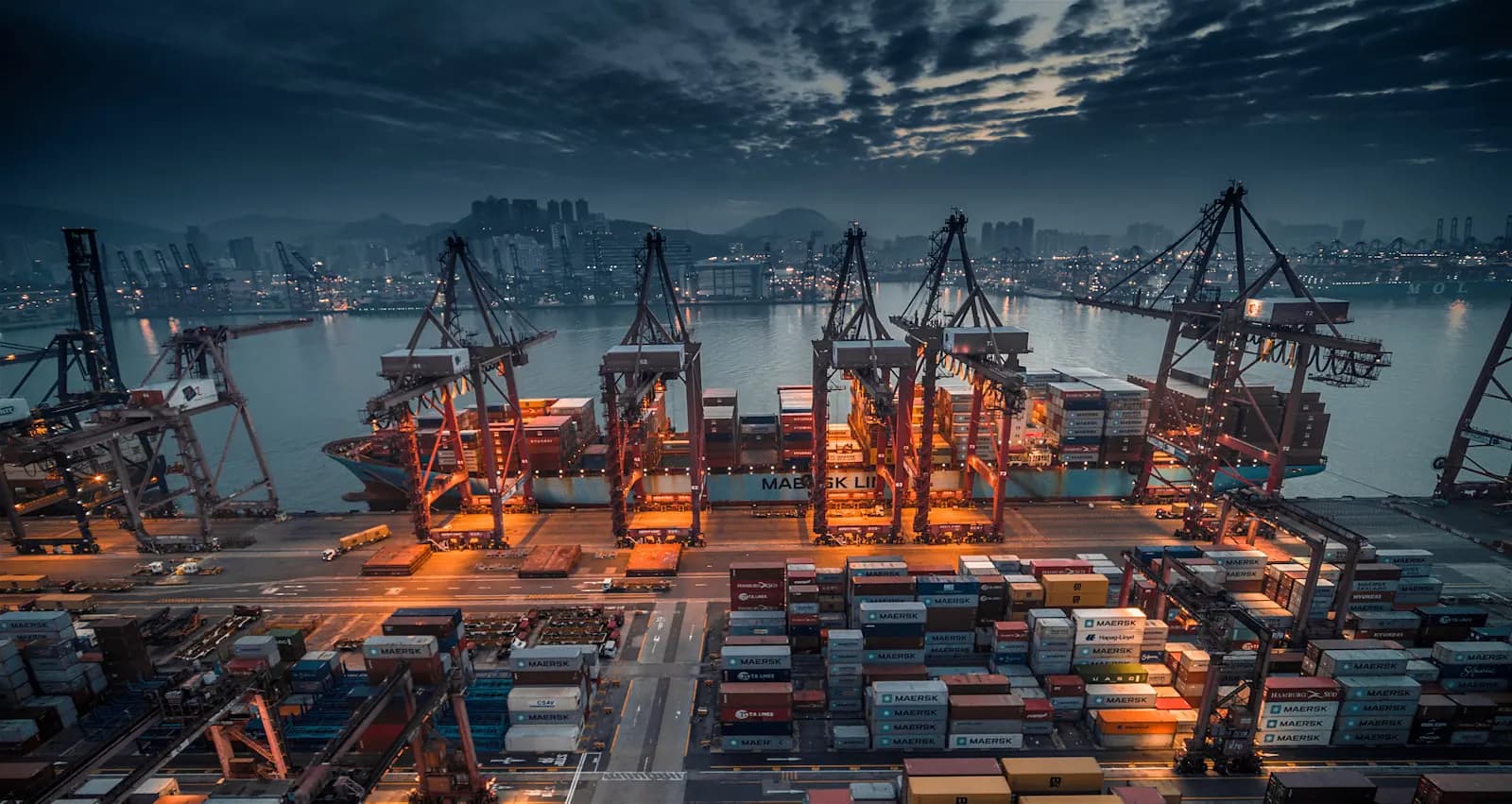
According to the report, a handful of overseas-owned liner companies control the large majority of global container shipping capacity and carry the great majority of US trade on major routes. The group argues that this concentration leaves American importers and exporters exposed to pricing and service decisions made largely outside US jurisdiction.
Container shipping has consolidated significantly over the past decade, with mergers, alliance restructuring and newbuilding investment concentrating capacity among a smaller number of large operators. Supporters of stronger domestic capability argue that reliance on foreign-flagged, foreign-owned carriers creates strategic risk during periods of geopolitical tension or supply chain disruption, echoing arguments long made about the US shipbuilding and merchant marine sectors more broadly.
Establishing a publicly backed carrier would represent a significant policy shift for the United States, which has for decades relied on private, largely foreign-owned lines to move the bulk of its containerised trade. Any such move would likely face substantial practical and political hurdles, from the scale of investment required to competition concerns from existing carriers and questions over how a state-backed line would price and compete commercially.
The proposal adds to a broader debate in Washington over supply chain resilience and industrial policy, following years of disruption that exposed vulnerabilities in how goods move into and out of the country. Whether the idea gains traction with policymakers remains to be seen, but it reflects growing scrutiny of how concentrated control over global shipping capacity has become.