Panama Canal trims vessel draft, reviving memories of the drought crisis
The ACP cites Gatun Lake levels and a possible El Niño as it reinstates neopanamax draft limits from July 3, while insisting daily transit numbers are unaffected
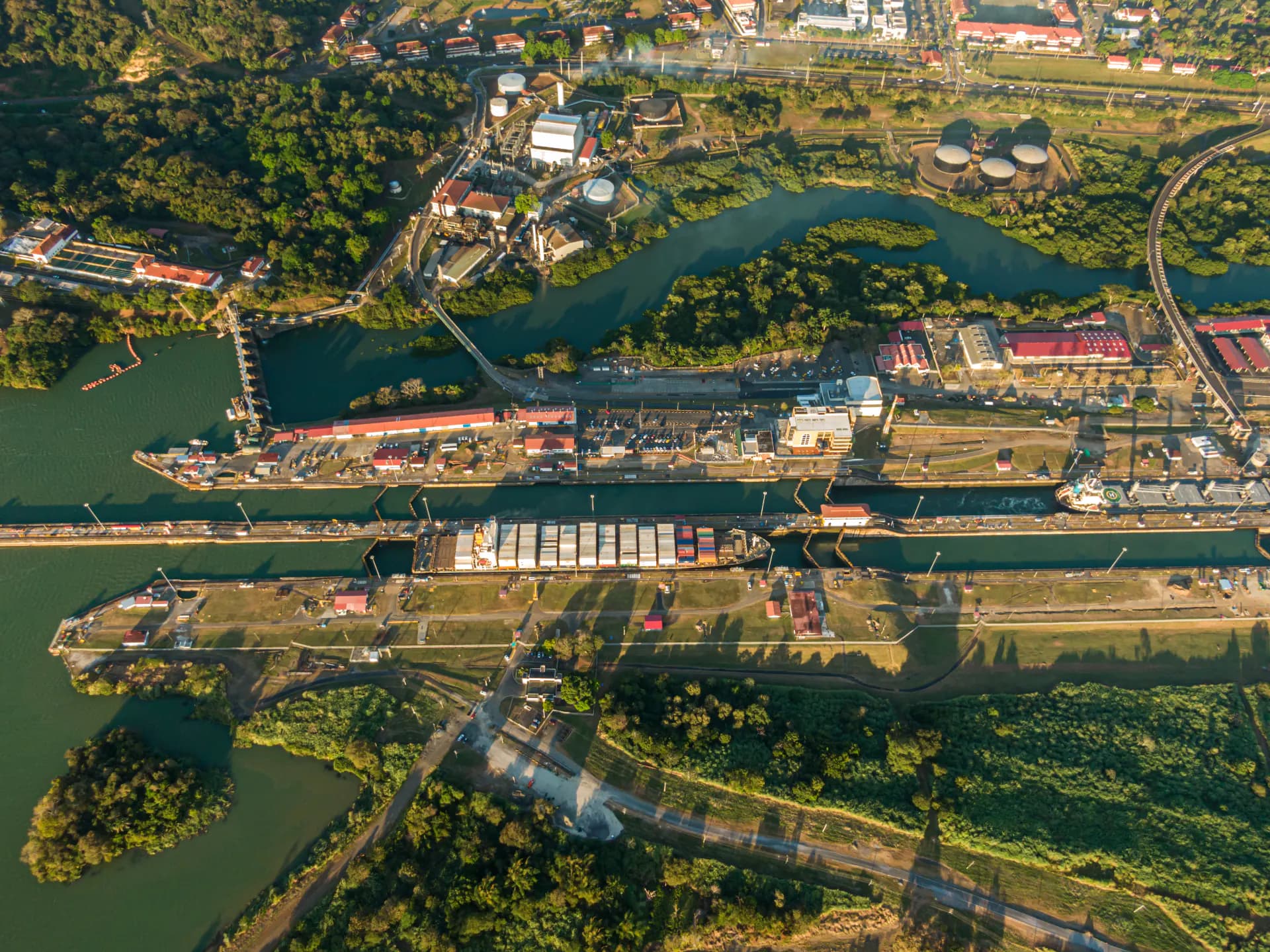
The Panama Canal Authority (ACP) has announced a reduction in the maximum authorised draft for vessels transiting its neopanamax locks, a move likely to revive concerns across global shipping about a repeat of the disruption seen during the canal's last drought crisis.
From July 3, vessels using the neopanamax locks will be limited to a maximum draft of 49.5 ft (15.09 m). The ACP pointed to current and projected water levels in Gatun Lake, as well as the possible onset of an El Niño weather pattern later this year.
The measure is part of the canal's wider water management strategy and marks the return of draft restrictions for the first time in around two years. Officials stressed that the adjustment is precautionary and will not affect the number of daily transits.
The announcement nonetheless recalls the 2023-24 drought, when water shortages forced transit and draft restrictions that cut canal throughput by as much as 40% below normal at the height of the crisis.
Canal officials sought to reassure customers at a recent industry briefing, noting that unusually heavy rainfall during the latest dry season had left both Gatun and Alhajuela lakes at maximum capacity.
The ACP said current reserves provide a substantial buffer should El Niño develop in the second half of the year, and that it does not expect significant disruption before December. Weather conditions and hydrological forecasts are being monitored weekly.
Analysts at Clarksons Research said Panama is already under growing pressure from record US energy exports. Product tanker transits hit record levels in April and May, while rising volumes of liquefied petroleum gas and ethane exports have intensified competition for available slots. Any future restrictions could therefore bite harder than in previous cycles.
"As trade flows are reshaped by the Middle East conflict, trends at Panama are again in close focus," Clarksons said in its latest weekly report.
Signs of congestion are already visible. Clarksons estimates that deepsea cargo vessel waiting times averaged 50 hours in April and May, up from around 30 hours before the recent surge, while the number of vessels waiting to transit has climbed sharply.
Competition for priority passage is intensifying. Clarksons reports that average auction prices for transit slots have trebled to around $400,000, and Splash reported last month that some priority bookings changed hands for as much as $4m per vessel - surpassing levels recorded during the previous drought emergency.