Maersk to order 1,000 made-in-India cargo containers
Maersk is set to order 1,000 steel containers from DCM Shriram, a vote of confidence in India's push to break China's grip on box production.

Global integrated logistics group A.P. Moller-Maersk is set to place a commercial order for 1,000 steel cargo containers with DCM Shriram International (DSIL), a step forward for India's maritime manufacturing ambitions and a vote of confidence in its push to reduce reliance on China for shipping containers.
Chinese manufacturers currently command an estimated 97% of global cargo container production. Before locking down the order with DCM Shriram, Maersk's technical teams from Denmark, alongside independent third-party inspectors, spent months auditing shortlisted Indian manufacturers to ensure local builds meet global marine transit safety standards. The collaboration is due to be unveiled at Star Track Terminals' Inland Container Depot in Dadri, Uttar Pradesh, with the first two prototype containers built at DCM Shriram's Faridabad plant.
Industry experts caution that building a self-sustaining domestic container industry will be a long-term effort. Containers made in India are currently around 30% to 40% costlier than Chinese alternatives, driven by higher steel costs and a lack of scale, with the physical price gap estimated at roughly $1,000 per box. India's Ministry of Ports, Shipping and Waterways has circulated a container manufacturing draft policy, with a proposed Production Linked Incentive of $400 to $500 per box for greenfield projects that maintain a threshold capacity of 100,000 units.
The order arrives as Maersk expands its footprint in the subcontinent, including its FI2 weekly ocean service linking manufacturing hubs across northern and western India with southern China. By calling at Gujarat's Pipavav Port, which integrates with India's Dedicated Freight Corridor rail network, Maersk is building an end-to-end logistics corridor, and introducing locally built containers into that loop is intended to help exporters cushion against sudden box shortages.
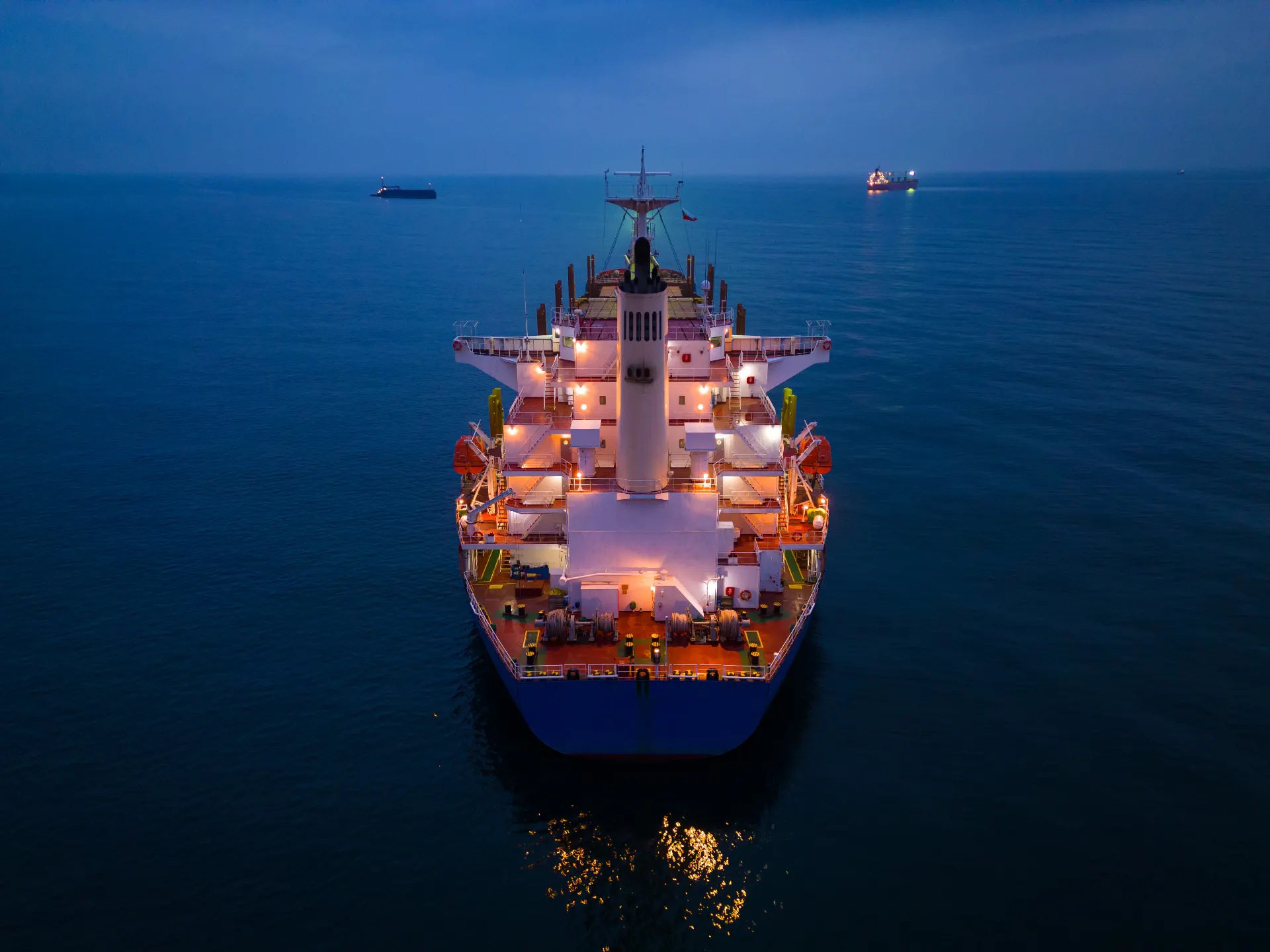
Photo: Pierre Marshall / Wikimedia Commons (CC BY 4.0).