China's electric cargo ship fleet scales up fast
New ICCT data shows battery power moving from ferries into bulkers and boxships, with electric cargo ships up 950% since 2022.
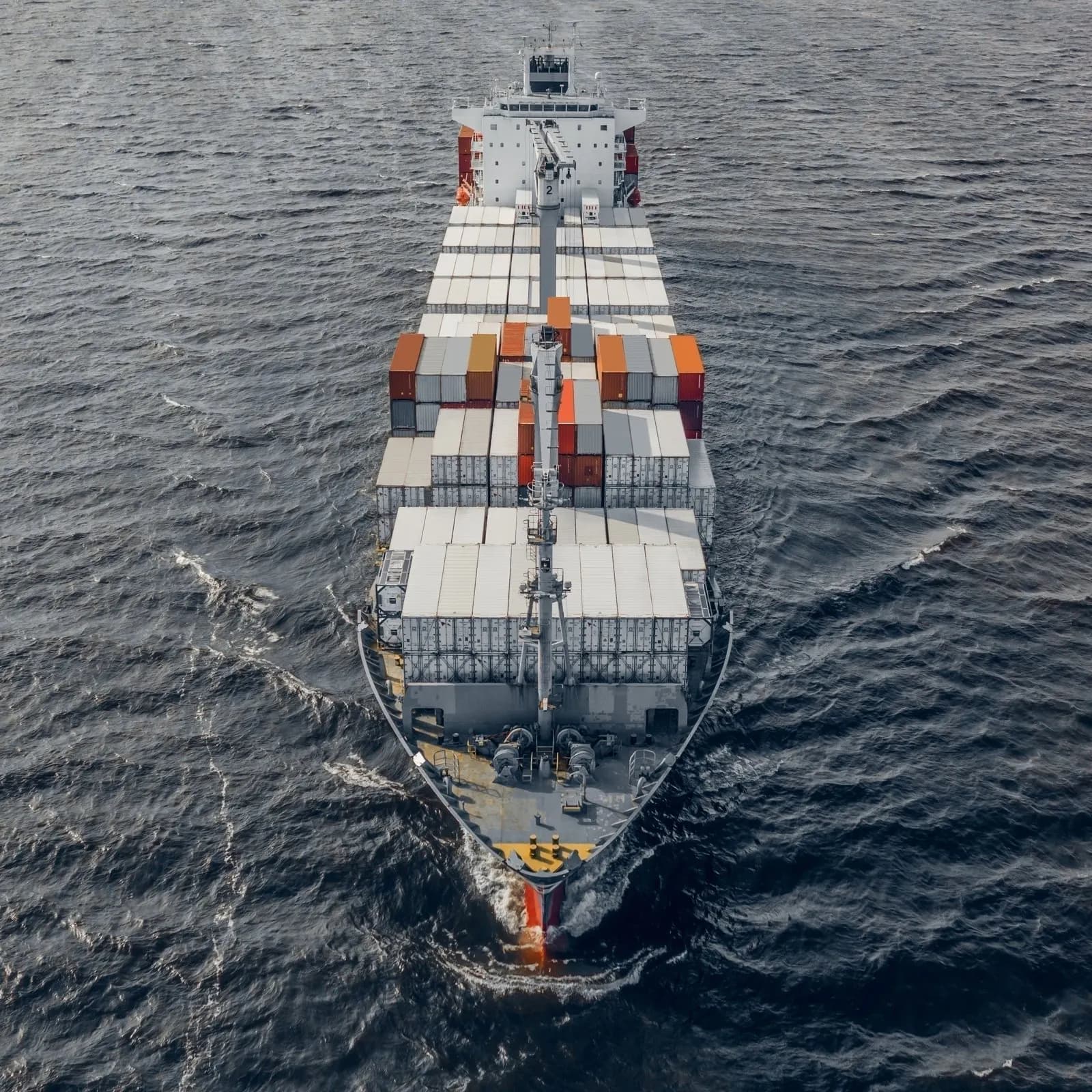
China is scaling battery-powered shipping faster than anywhere else, moving from pilots into commercial cargo operation, according to new International Council on Clean Transportation (ICCT) data. China had more than 440 electric ships in operation by the end of 2024, still 97% ferries, but the real shift is in cargo: electric cargo ships rose from four in 2022 to 42 in 2025, a 950% increase, and now include bulkers, boxships and multipurpose vessels.
Maximum vessel size has climbed from around 3,000 dwt to about 14,000 dwt, and range from 150-400 km to as much as 500 km. Inland waterways are the proving ground, with 86% of electric cargo ships operating on rivers such as the Yangtze, Pearl and Beijing-Hangzhou Grand Canal across pilots in nine provinces.
China's first sea-river zero-carbon route is now live: the 742 teu Ningyuan Dianpeng links Jiaxing with Ningbo-Zhoushan using around 20,000 kWh of containerised batteries, projected to save some 800 tonnes of fuel and cut more than 2,000 tonnes of CO2 a year. High battery costs and thin charging infrastructure remain barriers, but the trajectory mirrors China's EV and solar playbook.
Source: Splash247; data via ICCT.