Australia and China Trace 91 Containers in Tobacco Smuggling Sweep
Sixty arrests in China after cigarettes were concealed inside LED lamps and printers
The Australian Border Force has worked with China Customs to dismantle a smuggling operation moving illicit tobacco from China to Australia, an effort that turned on container-level targeting rather than port inspection alone.
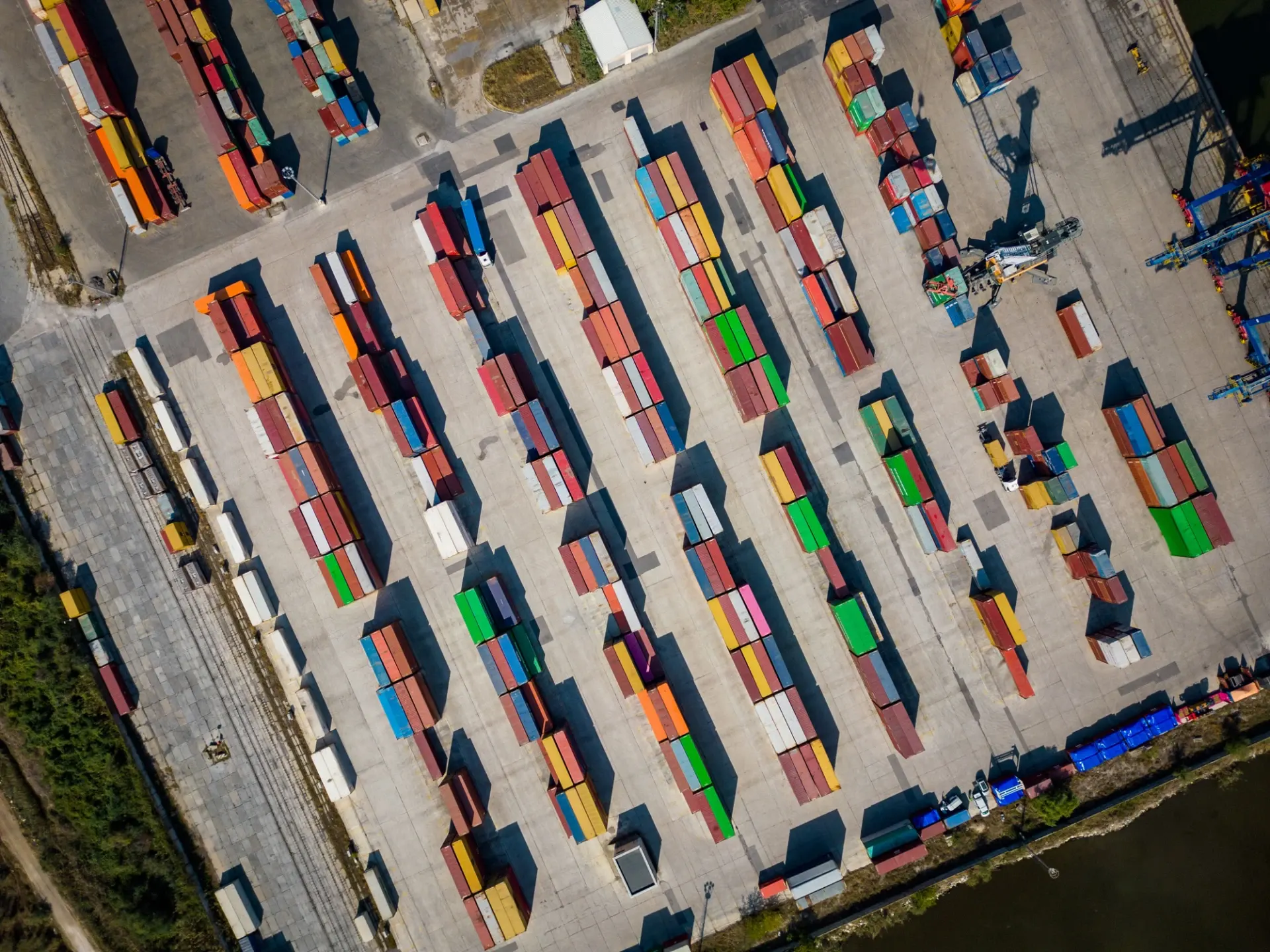
Australia maintains the highest tobacco taxes in the world, which sustains a substantial black market. Chinese authorities identified 112 suspicious shipping containers that departed China between January and May 2026, of which 91 were eventually confirmed as carrying smuggled tobacco. The unpaid duties on those products amounted to about US$65 million.
Smugglers concealed cigarettes inside legitimate cargo such as LED lamps and printers. Chinese investigators traced manufacturing back to hubs in Southeast Asia and to warehouses inside China. The operation ended in 60 arrests in China.
The interdiction prevented approximately 90 million cigarettes, one million vape cartridges and 11 tonnes of loose tobacco from reaching Australian consumers since July 2025. An Australian economist put annual criminal earnings from the trade at roughly US$5 billion.
NSW Premier Chris Minns has criticised the excise, arguing that "It's driving underground black market cigarettes," while enforcement agencies point to the scale of the seizures as evidence of commitment against organised crime in the supply chain.
The case is notable for where the detection happened. The containers were flagged at the load port on the basis of shipment data, not opened at the discharge port, which is the pattern customs services have been trying to establish for high-duty commodities.
The conversion rate is the other figure of interest. Of 112 containers identified as suspicious on departure, 91 were confirmed as carrying tobacco, a hit rate that makes sustained targeting practical rather than speculative. Screening every box moving on a high-duty trade lane is not achievable at volume, so the value of the exercise lies in how few false positives the selection produced.